
What is Ferragosto in Italy? A holiday on 15 August, named from the Latin feriae Augusti, linked by the Church to the Assumption of Mary, and treated by Italians as their official out-of-office summer date.
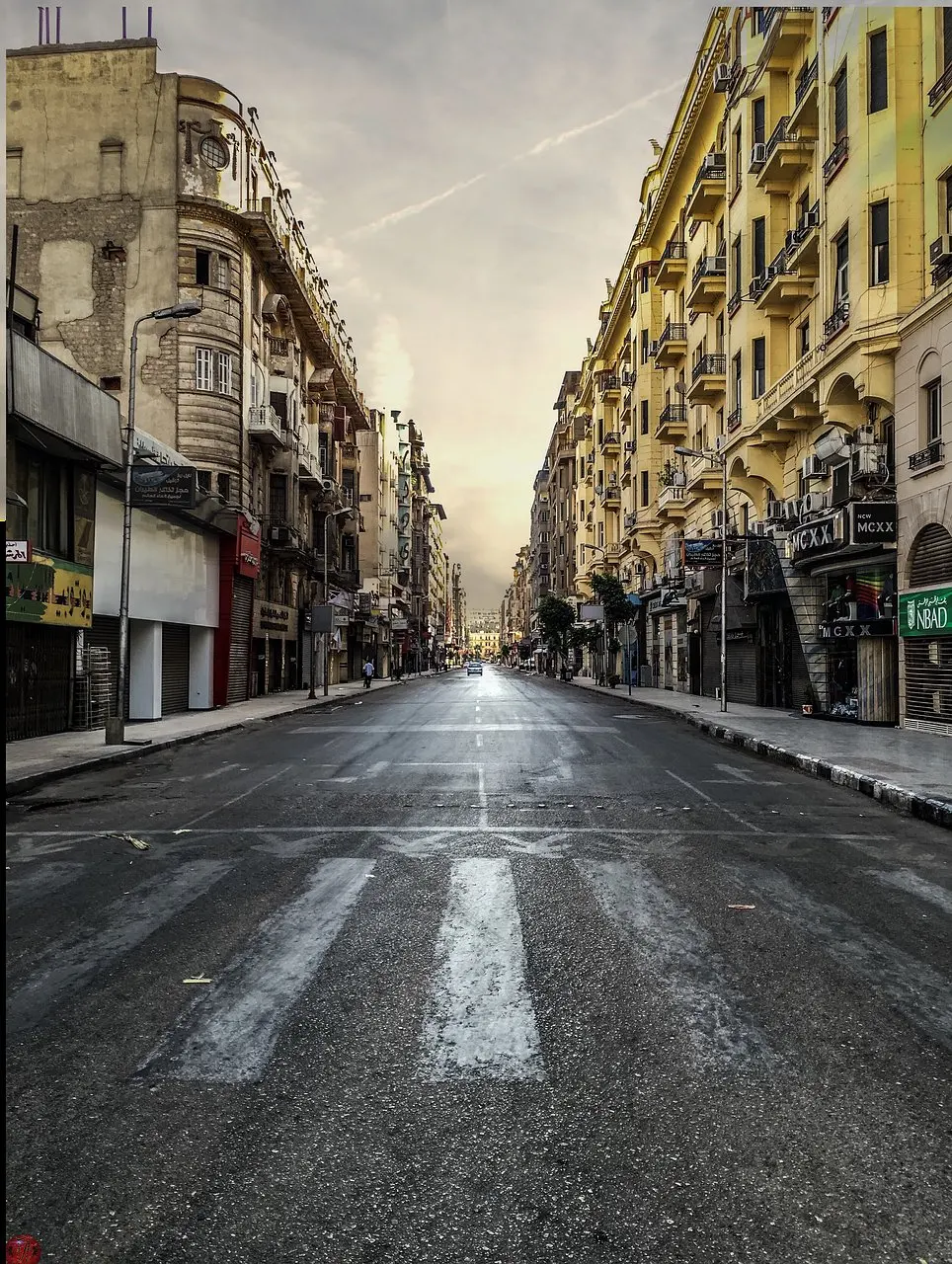
Shuttered shopfronts and near-empty streets in mid-August are not a local accident. They follow a calendar habit with Roman, religious and modern layers. The logic of a built-in pause connects to the wider theme of measure in Italian life, explained under cos’è il giusto mezzo in filosofia.
Meaning, name and date
Ferragosto comes from the Latin feriae Augusti, meaning the rest of Augustus, according to a short history of Ferragosto. The name therefore points to an emperor’s rest, not to a saint. The date, 15 August, is the day the Church set for the Assumption of Mary, and it is a holiday in Italy.
The first misunderstanding is treating Ferragosto as only a religious feast, or only a beach day. It is a Roman rest period, a Christian feast day and a modern summer habit sharing one name. The table separates the layers.
| Layer | Timing | What it marked | Planning use |
|---|---|---|---|
| Roman Feriae Augusti | Established by the emperor in 18 BC; the pagan festival fell on 1 August and the rest lasted most of the month | Rest and celebration, rooted in Consualia, the festival of Conso that celebrated the end of agricultural work | Explains why August works as a break month rather than a single day off |
| Church feast | Assimilated by the Catholic Church in the 7th century; set on 15 August | The Assumption of Mary | Explains the date and why some places hold a procession or special mass |
| Modern Ferragosto | Took shape under the fascist regime in the first half of the 20th century | Italians’ official out-of-office summer date, supported by discounted train tickets | Explains why trips and closures cluster around mid-August |
Dates and descriptions in the table follow this history of the holiday.
Roman roots: the rest of Augustus
The August pause is older than Christianity. The Roman Feriae Augusti was a period of rest and celebration established by the emperor himself in 18 BC, and the name still carries Emperor Augustus in it.
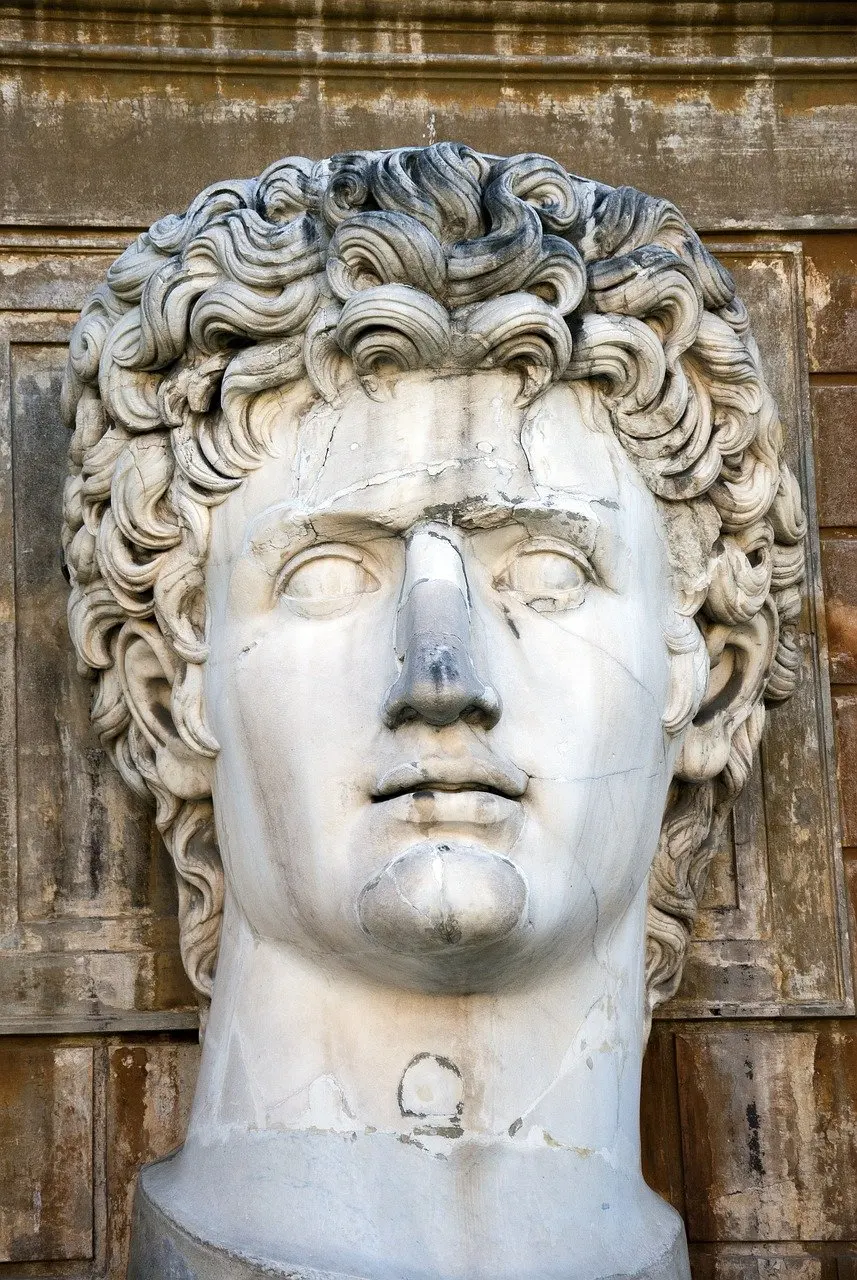
The pagan festival was celebrated on 1 August, and the rest lasted most of the month. Its roots lie in Consualia, which celebrated the end of agricultural work, as the same account explains. The practical lesson is that the long August rest began as a pause after farm labour, not as a tourism invention.
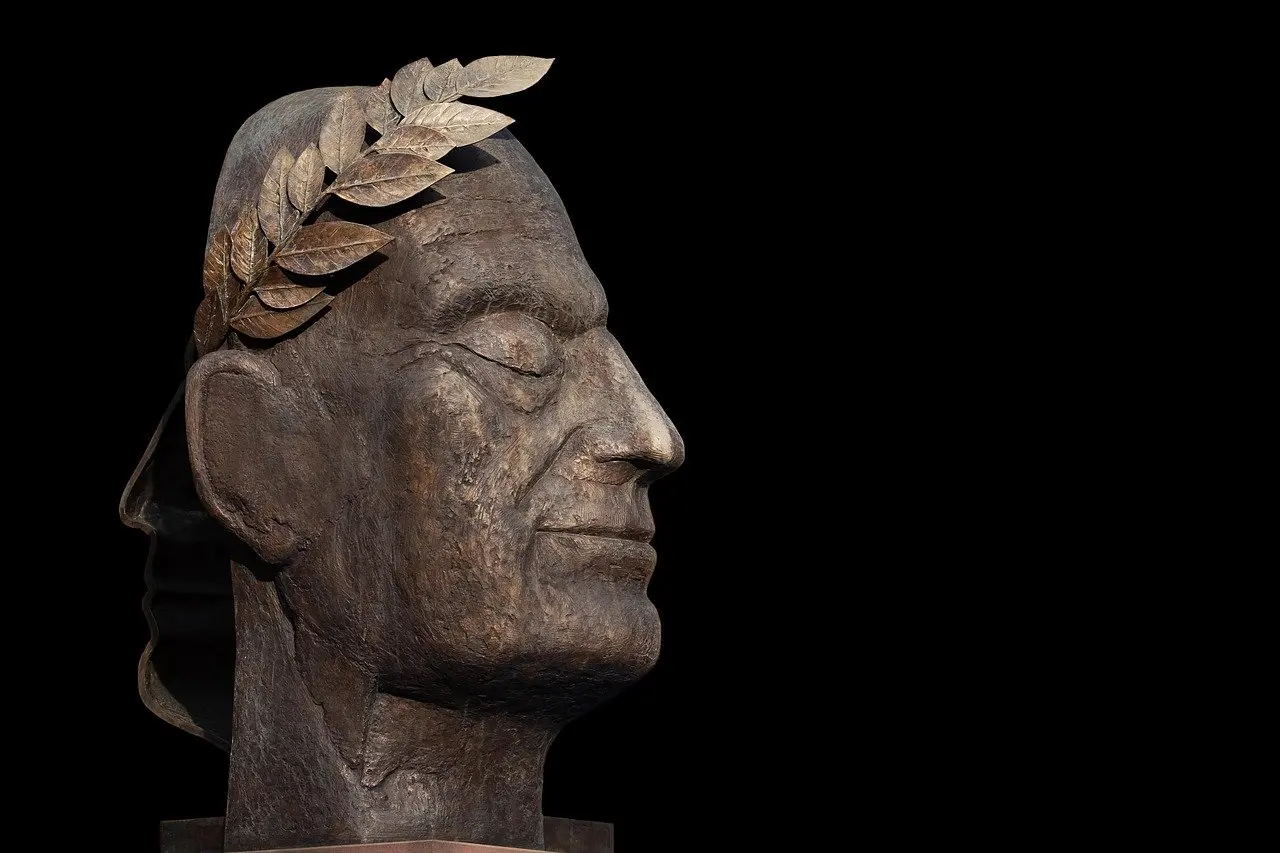
Keep the Roman layer in mind when reading the closures. They reflect a very old idea of a shared seasonal break, even though today’s version is organised quite differently.
From pagan rest to the Assumption feast
In the 7th century the Catholic Church assimilated Ferragosto and set 15 August as the day of the Assumption of Mary. The pagan festival fell on 1 August, while the Church placed its feast on 15 August, the date Italians use today.
This is the second misunderstanding: the Church did not create the holiday from nothing, and it did not erase the older one. It gave an existing August rest a religious meaning. That explains why a day with an imperial name can include a mass or procession.
Why Italy shuts down in August
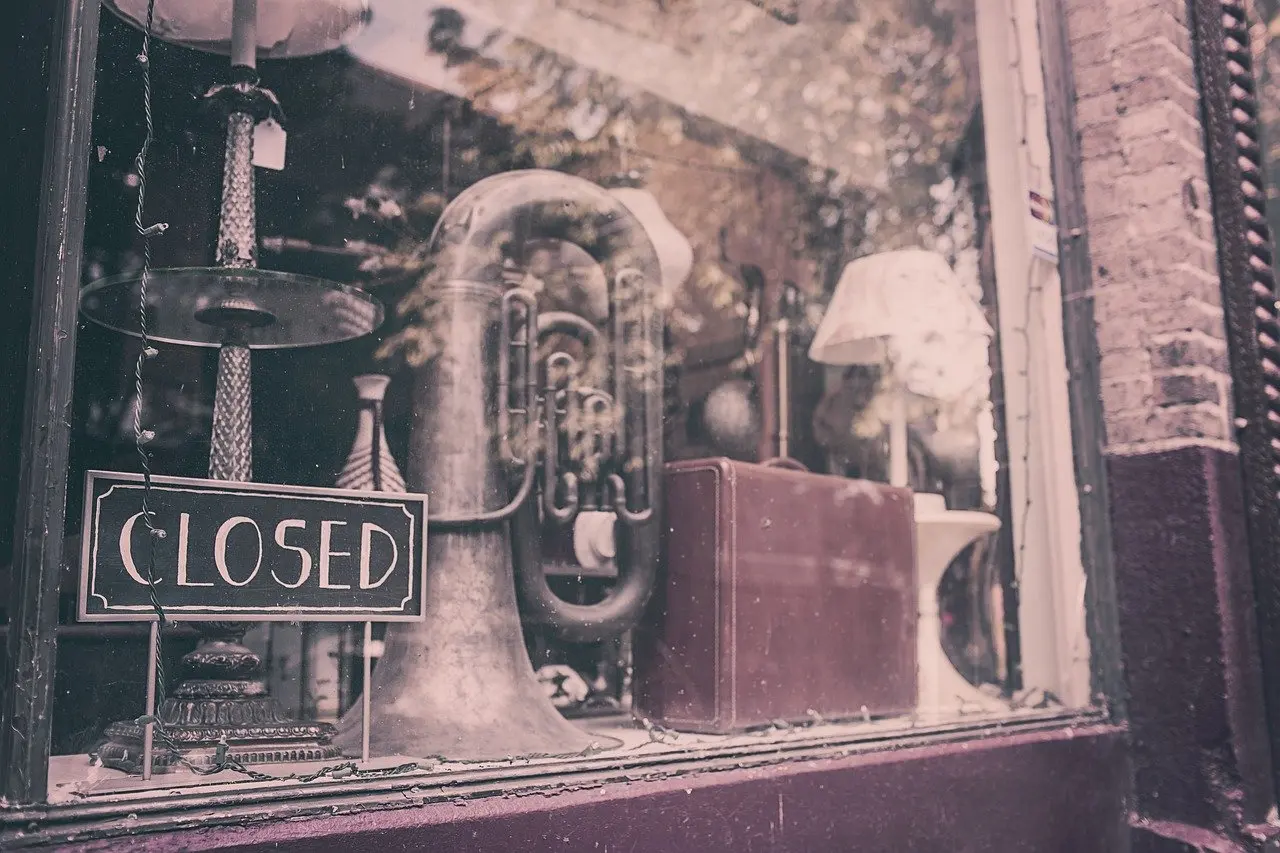
Many businesses close for the rest of August because Ferragosto marks the time to close shop and go on vacation for the rest of the month. Notices reading chiuso per ferie, closed for holidays, are the visible sign of that habit.
- “It is only an ancient custom.” The modern holiday began to take shape under the fascist regime in the first half of the 20th century. Train tickets were discounted for holiday destinations around the peninsula, and Italians began to treat Ferragosto as their official out-of-office summer date, per this account.
- “Only 15 August is closed.” The day is a holiday, but for many businesses it opens a longer break that runs through the rest of the month.
- “Closures are random.” They follow a shared date. Italian vacation habits centre on one collective calendar moment rather than on each business picking its own quiet week.
The practical result is that August in Italy runs on the residents’ calendar, not on the visitor’s. Anyone planning errands, appointments or a specific shop visit in this period should expect that calendar to take priority.
Shops, restaurants and city streets
Many stores shut down around Ferragosto, leaving urban centres empty. A given shop or restaurant may therefore be closed on 15 August and for some time after. Confirm hours with the business before travelling to it, and treat anything open as a bonus rather than a promise.
Quiet streets can be an advantage. The city can be almost empty for those who stay, and the same source notes you could have it almost all to yourself. This suits visitors who prefer calm streets and sights without crowds, and it suits people who can manage with fewer services. It suits shoppers and anyone who needs a particular restaurant much less, so look to a beach or another holiday destination if full services matter.
What Italians do on 15 August
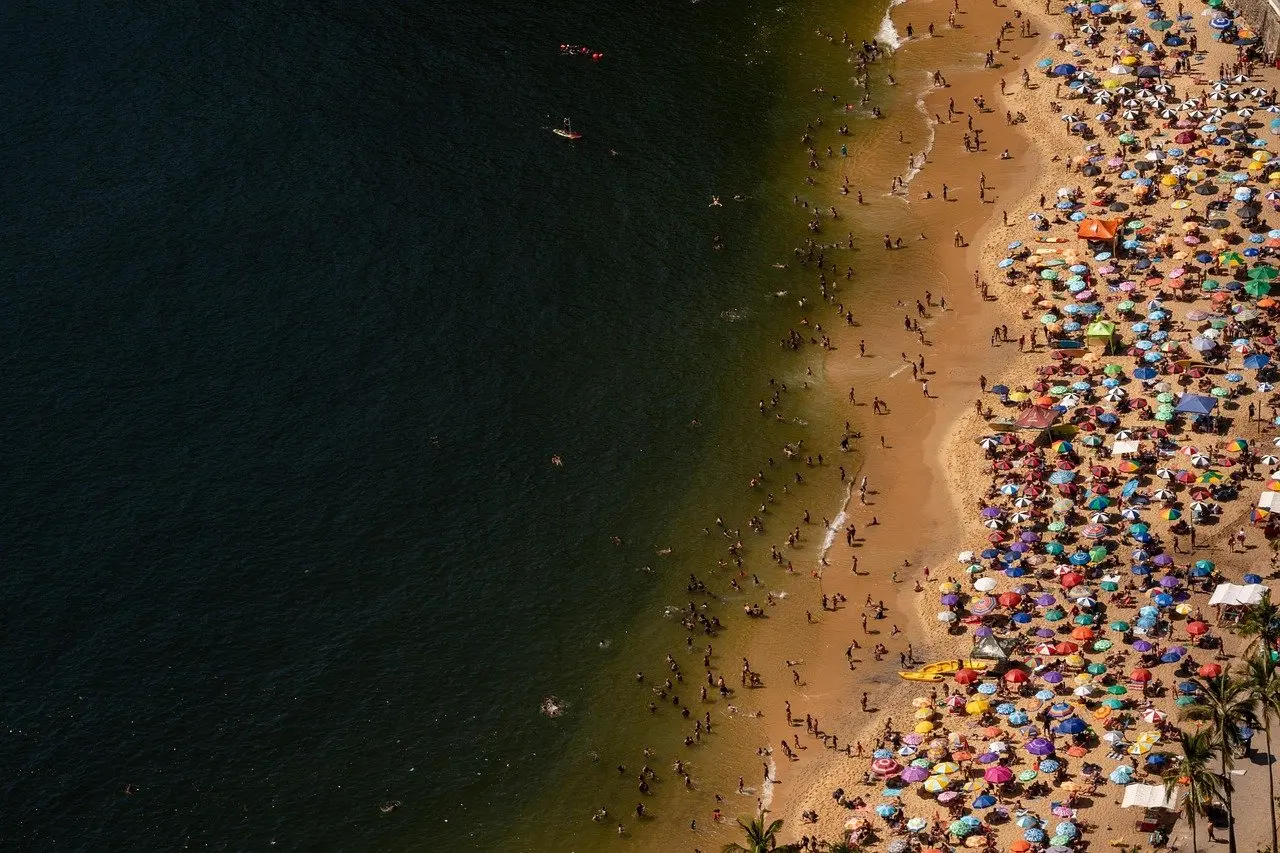
Italians on 15 August head for the beach, gather around food or take a short trip, which is why the day feels so different from an ordinary public holiday. The same history lists the common choices.
- Beach and dolce far niente. Many people hit the nearest beach and spend the day in relaxed idleness.
- Meals together and barbecue. The day is also one for grigliate, barbecues in the garden, and for sharing meals.
- La gita fuori porta. This is a short trip out of town, a typical Ferragosto outing.
- Processions and mass. Small villages across Italy, especially in the south, may hold a procession or a special mass for the Assumption.
These are customs for one date. Everyday routines, such as what do italians eat for breakfast, belong to a different, daily rhythm covered in what do italians eat for breakfast.
Ferragosto as a pause built into the year
Weekly rest and daily breaks repeat constantly. Ferragosto is different because it is a yearly pause fixed by the calendar, with an emperor’s rest at its root and a church feast on top. That makes it a useful lens on the Italian preference for rhythm over constant effort. For the principle behind that preference, see il giusto mezzo meaning.
Frequently asked questions
| Question | Answer |
|---|---|
| Is Ferragosto the same as the Assumption? | They share a date, 15 August, but the Assumption of Mary is the Church feast, while Ferragosto is the wider holiday whose name comes from the Roman feriae Augusti, per this history. |
| Does everything in Italy close for the whole month? | No. Many businesses close, but not every one does. Confirm hours with a specific shop or restaurant before going. |
| Is staying in a city on Ferragosto a good idea? | It can be, if you enjoy quiet streets. The city can be almost empty, but many stores close, so plan for limited services. |