
| Situation | What is typical | Planning use |
|---|---|---|
| Bar, cafe or neighborhood bakery | A pastry such as a cornetto with a cappuccino or other coffee, taken standing | Stand at the counter for the local routine. Sitting down means paying extra for table service. |
| Italian home | Fresh bread with butter and jam, or fette biscottate, with a hot drink | Expect a simple, sweet spread rather than cooked dishes. |
| Italian hotel | The same type of quick breakfast Italians eat at home | Read colazione inclusa as breakfast included with the stay, and expect a light meal. |
| American hotel chain in Italy | A wider selection, including some atypical savory items | Choose this setting if a savory breakfast matters more than a local one. |
| Eggs and frittata | Rarely eaten at breakfast; a frittata is more likely a lunch | Look for egg dishes at lunch, not in the morning. |
| Christmas holidays | Panettone, eaten as a dessert or a breakfast | Seasonal sweets can replace the usual pastry at this time of year. |
The descriptions in this table follow Chef Denise’s guide to Italian breakfast.
What do Italians eat for breakfast? Usually bread or a pastry with a coffee or other hot drink, and more often sweet than savory. The meal stays light and quick, whether eaten at a bar counter or at home.
Breakfast is one small piece of a wider habit of measure, and readers who want that background can start with cos’è il giusto mezzo in filosofia.
The core items: cornetto, cappuccino and caffè
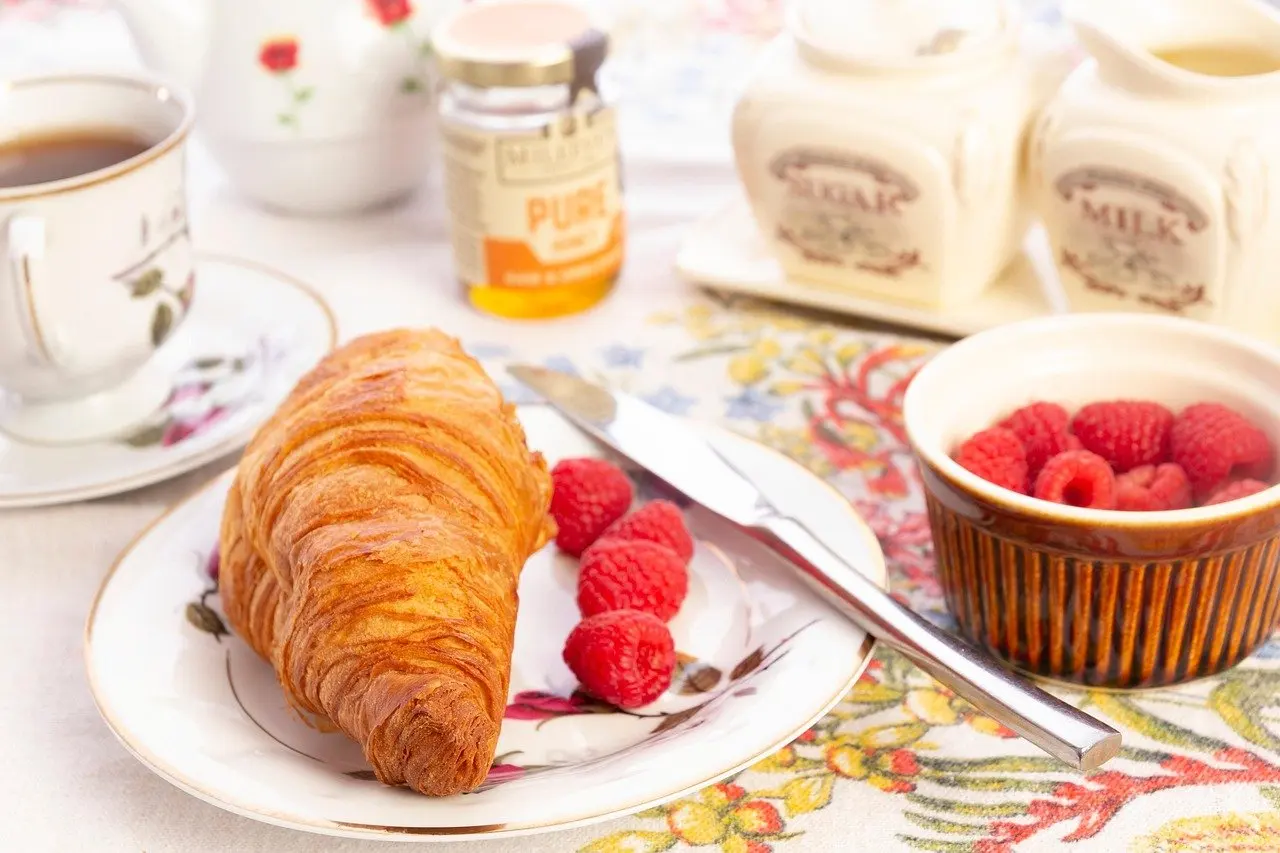
Breakfast in Italian is called colazione, and the typical colazione is a rather light meal. Chef Denise describes it as usually some type of bread or pastry with a coffee, and the drink is most likely a hot one. The pairing most visitors will recognise is the cappuccino e cornetto, which the same guide calls a satisfying everyday breakfast duo.
Cornetto and its regional name
The cornetto is the classic Italian breakfast pastry and a cousin of the French croissant. The name changes with geography. In northern Italy the croissant-shaped pastry is called a brioche rather than a cornetto, so a traveller ordering in the north who hears that word should expect the same kind of pastry.
Coffee and other drinks
Caffè and cappuccino are the usual hot drinks, and the coffee does as much work as the food. The meal is built around a pastry and a cup, not a plate of several dishes. A glass of orange juice is an optional extra for those feeling extravagant, according to the same guide. Dunking the bread or pastry into the drink is described as a standard part of a typical Italian morning routine, which is why a soft, plain pastry suits the meal.
Breakfast at the Italian bar
Breakfasts in Italy are often eaten at cafes, neighborhood bakeries or at a bar. The Italian bar works as a fast counter for coffee and pastry, not as a sit-down restaurant. That format shapes the meal: a cornetto and a cappuccino can be ordered and finished in a few minutes without a table.
The practical rule is to take breakfast standing. Chef Denise advises visitors to eat like a local during this daily ritual, standing, because table service will cost extra. That makes the counter the better choice for anyone in a hurry or watching costs. Sitting suits someone who wants to linger and accepts paying more for the privilege.
Breakfast at home and in hotels
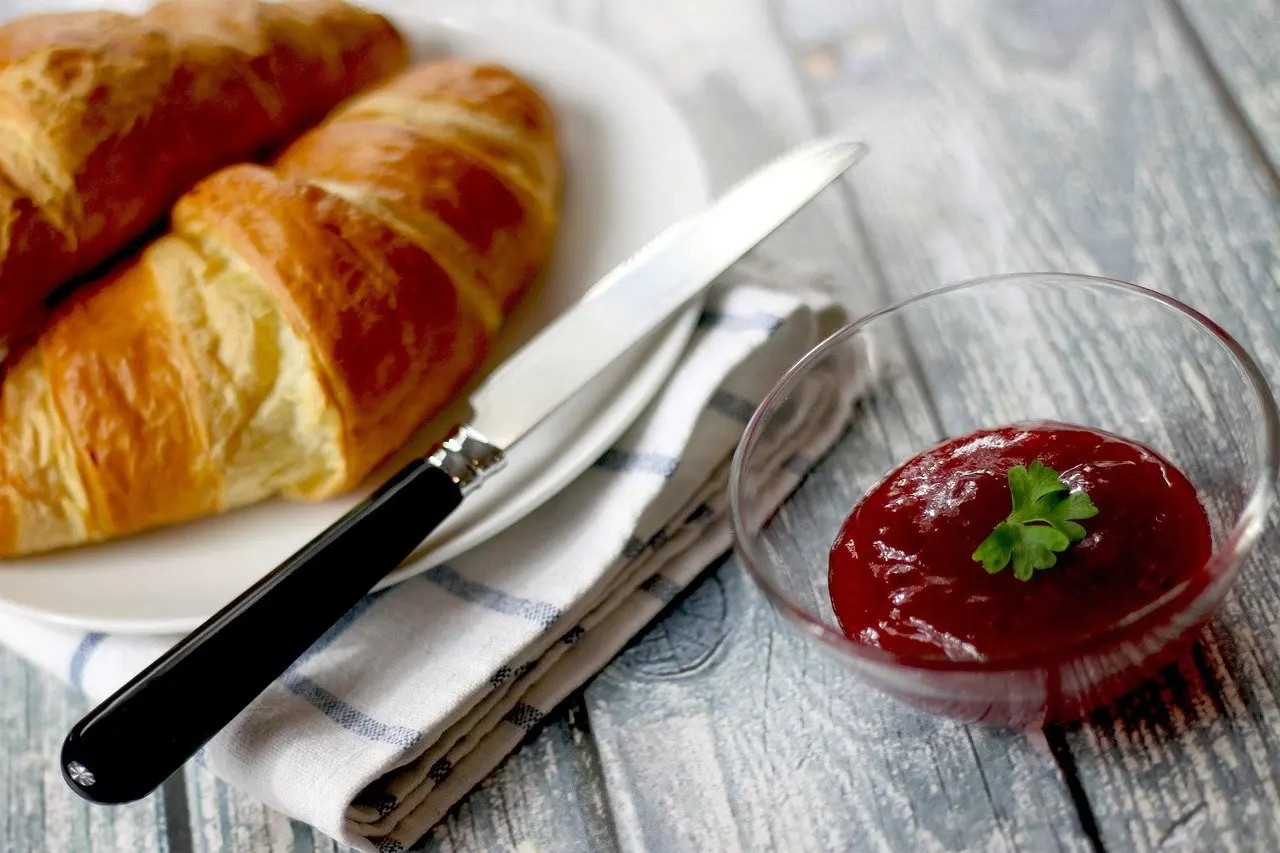
At home the meal is even simpler than at the counter. Fresh bread with a spread of butter and jam is the most common Italian breakfast served in homes and hotels. Italian households eat their morning meal very similarly throughout the country, so a visitor staying with a family in one region can expect something close to what a family elsewhere eats.

Fette biscottate
Fette biscottate are twice-baked rusks, hard like a breadstick. They are a common packaged breakfast item, and many Italian vacation rentals leave packets for guests to enjoy at breakfast. Guests who find a packet in the kitchen are being given a standard local breakfast, not a substitute for a real meal.
Hotels
Italian hotels tend to serve the same type of quick breakfast that Italians eat at home. American hotel chains tend to offer a wider selection and even some atypical savory items. A guest who wants a fuller, savory plate will find it more reliably in the second kind of hotel. A guest who wants to eat as locals do will find the first kind closer to the real routine.

Why Italian breakfast is small and sweet
The small, sweet shape of the meal comes from how Italians regard it. Italians interviewed for Chef Denise’s guide did not think of breakfast as the most important meal of the day. Without that weight, the morning meal has no need to be large, and the guide says Italy has more sweet food than savory at this hour.
The bar counter and the home table reinforce the same pattern from two directions. At the counter, standing service means the food has to be eaten quickly, so a pastry and a coffee fit. At home, bread, butter, jam or a rusk need almost no preparation. Both settings produce a meal that is light, fast and sweet, which is why it looks so different from a breakfast built around cooked dishes.
Eggs show the contrast clearly. Italians do eat eggs, but they rarely eat them for breakfast, and a frittata is much more likely to be an Italian lunch. Savory dishes are not missing from the Italian day. They are simply placed at later meals, which is why the morning stays sweet.
Seasonal and regional sweets
Some sweets move in and out of the breakfast table with the calendar or the region. Panettone is traditionally eaten during the Christmas holidays as a dessert or a breakfast. Buccellato can be eaten for breakfast, as a snack or as dessert, at any time of year. The sfogliatella originated at a convent in the Campania region in the 1600s, and Chef Denise lists it among Italy’s pastries.
These items show that breakfast sweets in Italy are not one fixed list. They share a place on the table with the cornetto because the same rule applies: something sweet and baked, served with a hot drink. Seasonal pauses in the Italian year shape the table in other ways too, and what is ferragosto in italy is a useful next read for a different kind of seasonal rhythm.
Choosing breakfast as a visitor
The practical choice depends on how much time and appetite a visitor has. The options below follow directly from how Italians eat.
- At the bar: Order a cornetto and a cappuccino and finish at the counter. This is the quickest way to follow the local routine, and it avoids the extra charge for table service.
- With colazione inclusa: This phrase on a hotel booking means breakfast is included with the stay. An Italian hotel will usually serve a light bread-and-pastry meal.
- In a vacation rental: Use any packets of fette biscottate left for guests, and buy fresh bread, butter and jam for a home-style breakfast.
- For something savory: Pick an American hotel chain for a wider selection, or move savory dishes such as a frittata to lunch.
Visitors comparing these habits with their own morning routine may find italian lifestyle vs american lifestyle a helpful companion read.
Frequently asked questions
What is breakfast called in Italian?
Breakfast in Italian is called colazione.
Do Italians eat eggs for breakfast?
Rarely. Italians do eat eggs, but a frittata is much more likely to appear at lunch.
Is panettone a breakfast food?
It can be. Italians traditionally eat panettone during the Christmas holidays, either as a dessert or as a breakfast.
Does a hotel in Italy serve a big breakfast?
Many Italian hotels lay out a brief morning spread that closely mirrors what locals grab at home. American hotel chains in Italy tend to offer a wider selection, including some savory items.