Quick answer: strength training for beginners works best as bodyweight exercises done at least 2 times a week, starting with light resistance and building up slowly. Check with a doctor or exercise professional before you begin.
Strength work is one part of the wider abitudini per il benessere quotidiano. This guide helps you pick a starting point, set sensible weekly numbers and progress without rushing.
Choosing your starting point
Strength training, also called resistance training, is any exercise that uses weights or resistance to build muscle strength, according to Australia’s national health information service. It can be done with or without equipment and almost anywhere. Four questions decide where to begin.
- Equipment: with none, start with bodyweight exercises. A pair of light dumbbells or a resistance band adds options later but is not needed on day one.
- Technique: if the movements are new, use body weight or light resistance until your form improves. Heavier loads can wait.
- Health: anyone with a disability or chronic condition should speak to a doctor before any new form of exercise. Everyone else benefits from advice from a doctor or exercise professional before starting.
Weekly targets at a glance
| Variable | Starting value | Planning use |
|---|---|---|
| Sessions per week (adults) | At least 2 times a week | Treat this as the minimum to schedule, not a ceiling. |
| Adults aged 65 and older | Muscle-strengthening on at least 2 days per week | Include exercises that build muscle strength alongside other activity. |
| Sets per exercise | 2-3 sets | Begin with 2 sets and add a third as sessions feel manageable. |
| Reps per set | 8-12 reps | Choose a load or variation you can control for the full range. |
| Rest between sets | 60-90 seconds | Use a timer so rests stay consistent. |
These figures come from healthdirect for frequency and rest days, and from a beginner workout guide for sets, reps and rest.
International guidance points the same way. WHO and CDC recommendations, as summarised by a physical therapy practice, call for 2-3 days of muscle-strengthening activities targeting major muscle groups per week. For a beginner, the lower end of that range is a realistic start. A further session can follow once recovery feels easy.
Bodyweight exercises with no equipment
Bodyweight exercises are the most practical entry point because they need no purchase and can be done almost anywhere. Official guidance names squats, push-ups and lunges as examples. Another beginner guide adds planks to the starter list.
Lower body and core
Squats and lunges cover the legs and hips. Planks add trunk work. Keep the torso upright in lunges and move slowly enough to control each rep. Good alignment also makes these lifts feel better, and the guide on how to improve posture covers habits that support it.
Upper body and pulling
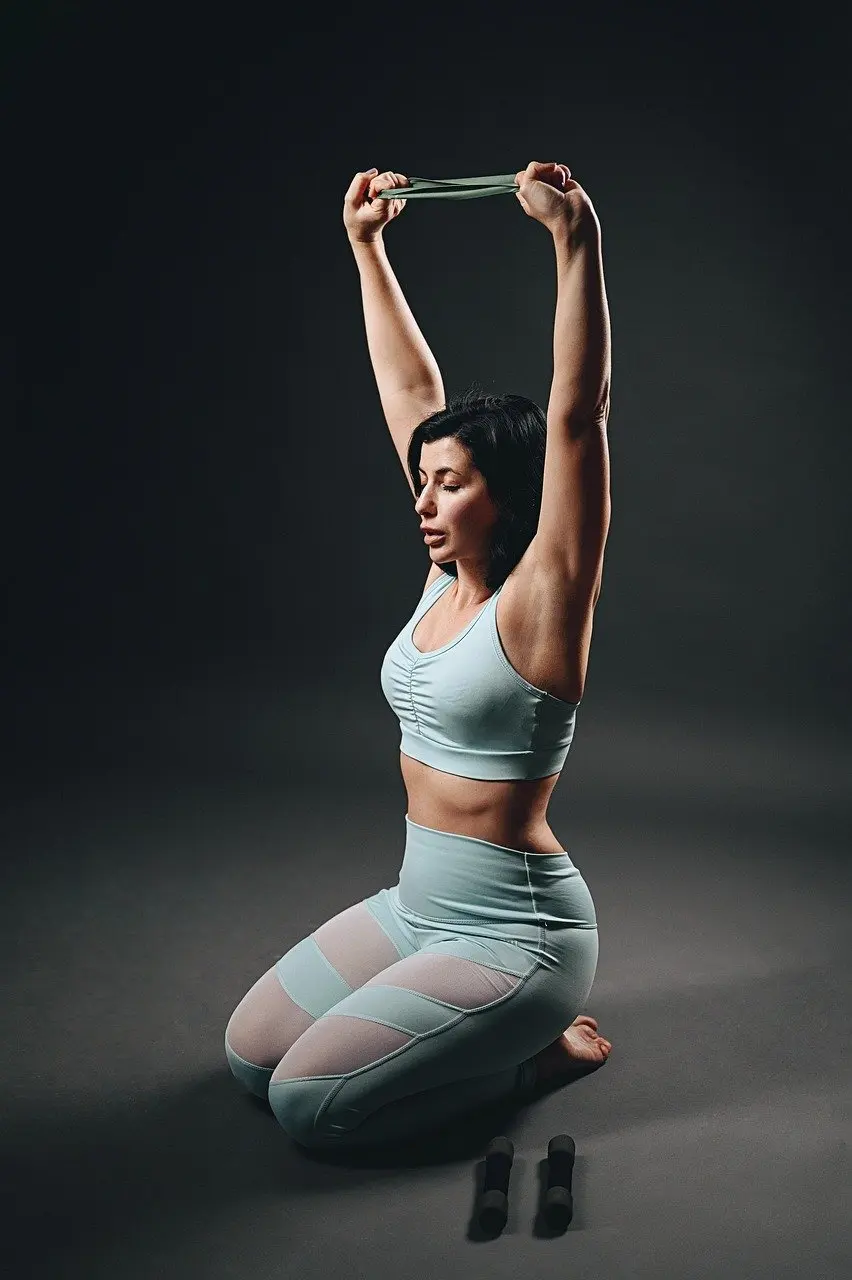
If floor push-ups are too hard, push-ups on your knees or against a wall are a legitimate starting point. Pulling movements are harder to do with body weight alone, so a band row is the usual way to balance the pushing work.
A balanced session
A simple beginner plan includes a squat movement, a hip hinge, an upper-body push, an upper-body pull and a core exercise. Rotating through those patterns trains the whole body without a long list of exercises.

Light equipment worth adding
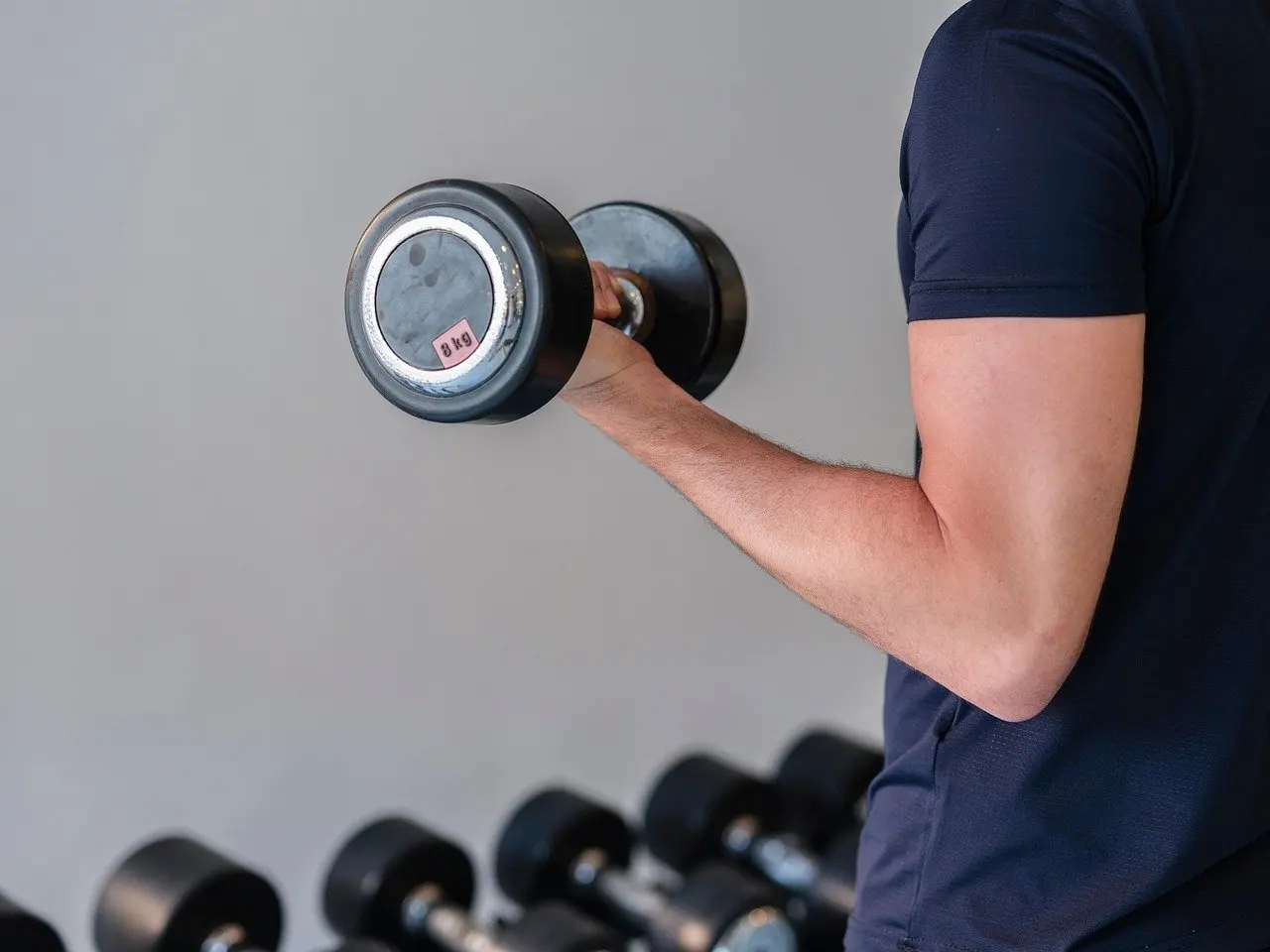
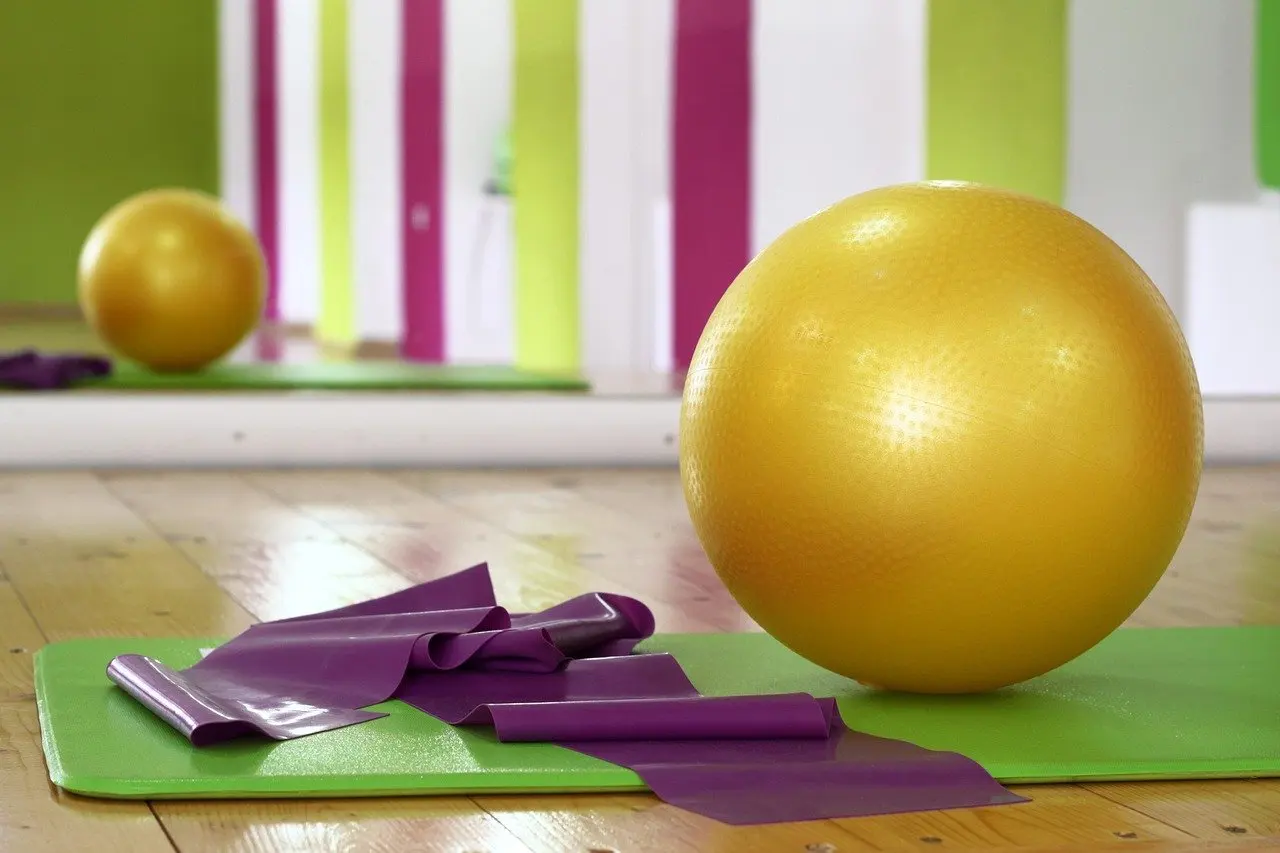
Equipment is optional, but light weights or gentle resistance extend what bodyweight work can do. Healthdirect advises starting with light weights or gentle resistance until you improve your technique. A band and a pair of light dumbbells are enough for most beginner sessions. They also cover the pulling pattern that bodyweight routines miss.
Progressing without overreaching
Progressive overload means gradually asking your muscles to do more. One beginner guide says strength is built through consistency and progressive overload. You can increase the weight, add repetitions or perform an additional set.
Change one variable at a time. Healthdirect describes slowly building up how much weight you use as the way to reduce injury risk. In practice, that means adding reps first, then a set, and only then more load.
Strength training later in life
One beginner guide notes that after the age of 30, you may lose 3-8% of muscle mass per decade. A gym guide attributes to Mayo Clinic the point that lean muscle mass naturally diminishes with age, but strength training can help maintain it.
Bone is part of the case too. The same women’s health article cites research in which 30 minutes twice a week of high-intensity resistance and impact training improved bone density in postmenopausal women with low bone mass. That result applies to that group and that style of training. Beginners should build toward harder sessions rather than start there.
Balance matters as well. Strength work helps with preventing the decline in muscle mass and balance that can occur with aging. Balance and flexibility exercises are also recommended, especially for older adults, to help prevent falls and maintain mobility.
Benefits of resistance training
Resistance training has several benefits supported by national health guidance. Healthdirect states that strength training helps build muscle and take pressure off joints. It also helps control blood pressure and cholesterol levels, and having more strength in your muscles may lower your chance of falls.
- Muscle mass: training builds muscle and helps maintain it as age-related loss sets in.
- Bone density: resistance and impact training has improved bone density in the postmenopausal group described above.
- Heart health markers: blood pressure and cholesterol are both listed as areas strength training helps control.
- Fall risk: stronger muscles may lower the chance of falling, which matters more with age.
Training days also go better with planned fuel, so the list of healthy snack ideas is a useful companion.
Safety checks and troubleshooting
Healthdirect advises you to seek advice from a doctor or an exercise professional before you start strength training. People with a disability or chronic condition should check with a doctor before starting any new form of exercise. Common problems have simple fixes.
- An exercise hurts: avoid exercises that cause you pain and swap in a different movement for that pattern.
- The weight feels hard to control: go back to light weights or gentle resistance until technique improves.
- Progress has stalled: adjust one lever from the progression section, either weight, repetitions or sets.
- Form feels uncertain: a session with an exercise professional is the route the national guidance recommends.
Frequently asked questions
Is strength training the same as resistance training?
Yes. Healthdirect says strength training is also known as resistance training, and both mean exercise that uses weights or resistance to build muscle strength.
Do beginners need a gym?
No. Strength training can be done with or without equipment and almost anywhere, so bodyweight exercises at home are a valid start.
How many full-body sessions suit a beginner week?
One beginner guide calls full-body training two to four times per week an excellent starting point. Begin at the low end and keep a rest day.
What rep range builds strength?
A women’s health guide says to build strength you should work at a lower rep range, anything below 12 reps per set.