How much water should you drink a day?
The figure is a total for the whole day, not a count of glasses. For more abitudini per il benessere quotidiano, the everyday wellbeing hub covers the habits that sit alongside hydration.
What the daily water figures measure
The US adequate intake levels count total water: plain water, other drinks and the water inside food. They were set for generally healthy people and are based on age and sex. That is why a single glass count cannot stand in for them.
| Adult group | Total water (food and drink) | Drink-only fluid | Planning use |
|---|---|---|---|
| Women | About 11.5 cups (2.7 L) | About 9 cups | Use the total to judge the whole day, and the drink-only figure to plan what goes in your bottle and cup. |
| Men | About 15.5 cups (3.7 L) | About 13 cups | The higher total means more drinks across the day, not one large catch-up drink. |
These figures come from the US adequate intake levels as explained by the Academy of Nutrition and Dietetics and Henry Ford Health.
Why the eight-glass rule can mislead
Public health messages often cite eight cups as well, as UCSF notes. Eight cups of drinks sits below the drink-only figures in the table, so it works as a rough floor for plain drinking. It is not the official total. UCSF is also clear that there is no one-size-fits-all approach to water consumption.
How food changes the arithmetic
Food typically supplies about 20% of the water you need, and drinks supply roughly the other 80%. This is why the total is larger than the drink-only amount. Foods with 90% to 100% water content include watermelon, strawberries, cantaloupe, lettuce and celery, so a diet heavy in fruit and vegetables lowers the amount you must drink. Building these foods into your healthy eating habits is a practical way to cover part of your intake.
Coffee, tea and other drinks
Coffee and tea contribute to daily water intake. The official estimates count fluids from both foods and beverages, not water alone, so any drink you consume adds to the total. The practical difference between drinks is what else they contain.
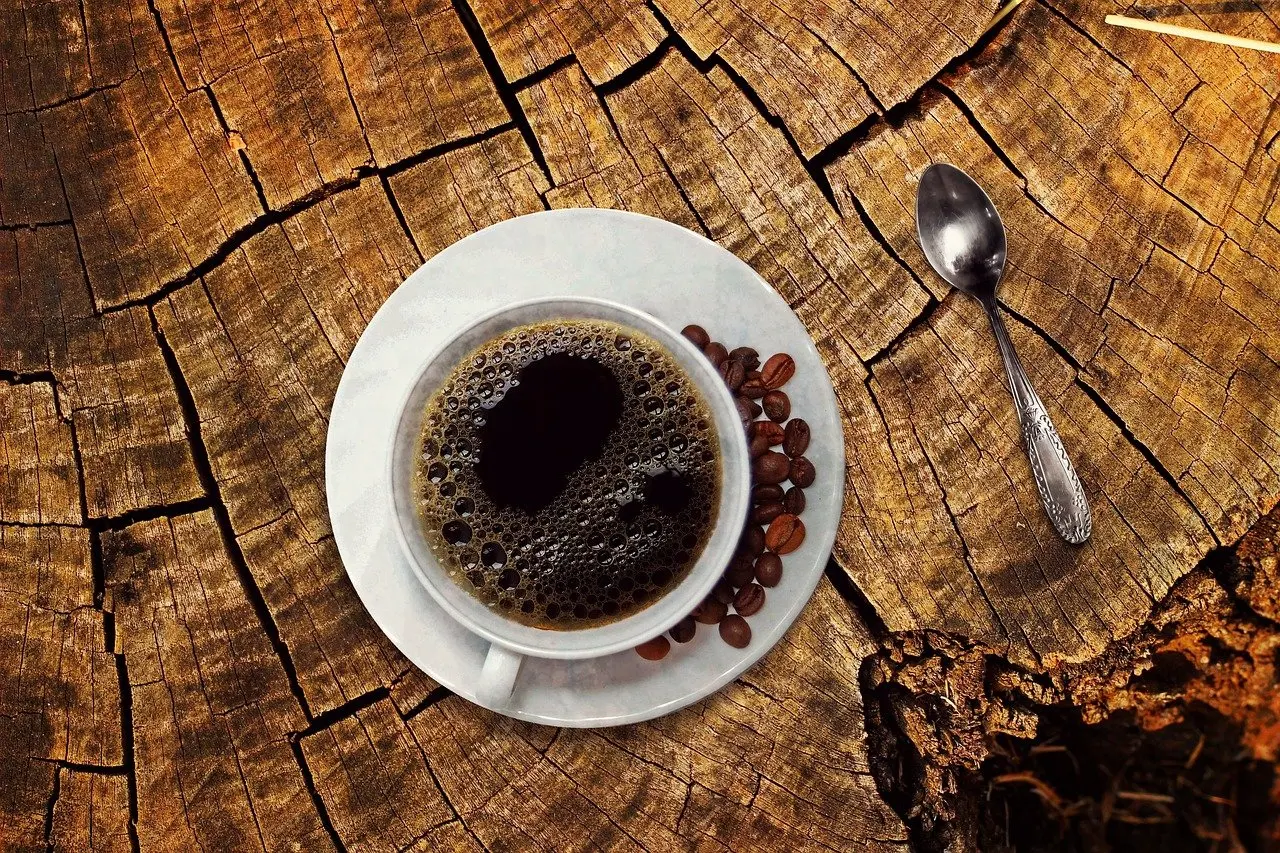
The Academy of Nutrition and Dietetics advises focusing on unsweetened beverages such as water to limit added sugars. A sweetened coffee or tea still delivers fluid, but it adds sugar that plain water does not. Make water the default and treat other drinks as extra contributions to the total.
Checking whether you drink enough
Urine colour is the simplest everyday check. Pale yellow urine indicates you are consuming enough, and Henry Ford Health describes nearly clear or pale yellow urine as a sign of being well hydrated. Bright yellow urine points the other way.
Other signs of not drinking enough include:
- Digestive changes: constipation is listed alongside bright yellow urine.
- Head and balance symptoms: headaches and dizziness can follow dehydration, according to the Academy of Nutrition and Dietetics.
- Low energy: Henry Ford Health includes low energy in its list of warning signs.
Treat these as prompts to drink more, not as diagnoses. Headaches and dizziness have many causes, so persistent symptoms deserve medical advice.
Heat, exercise and health conditions
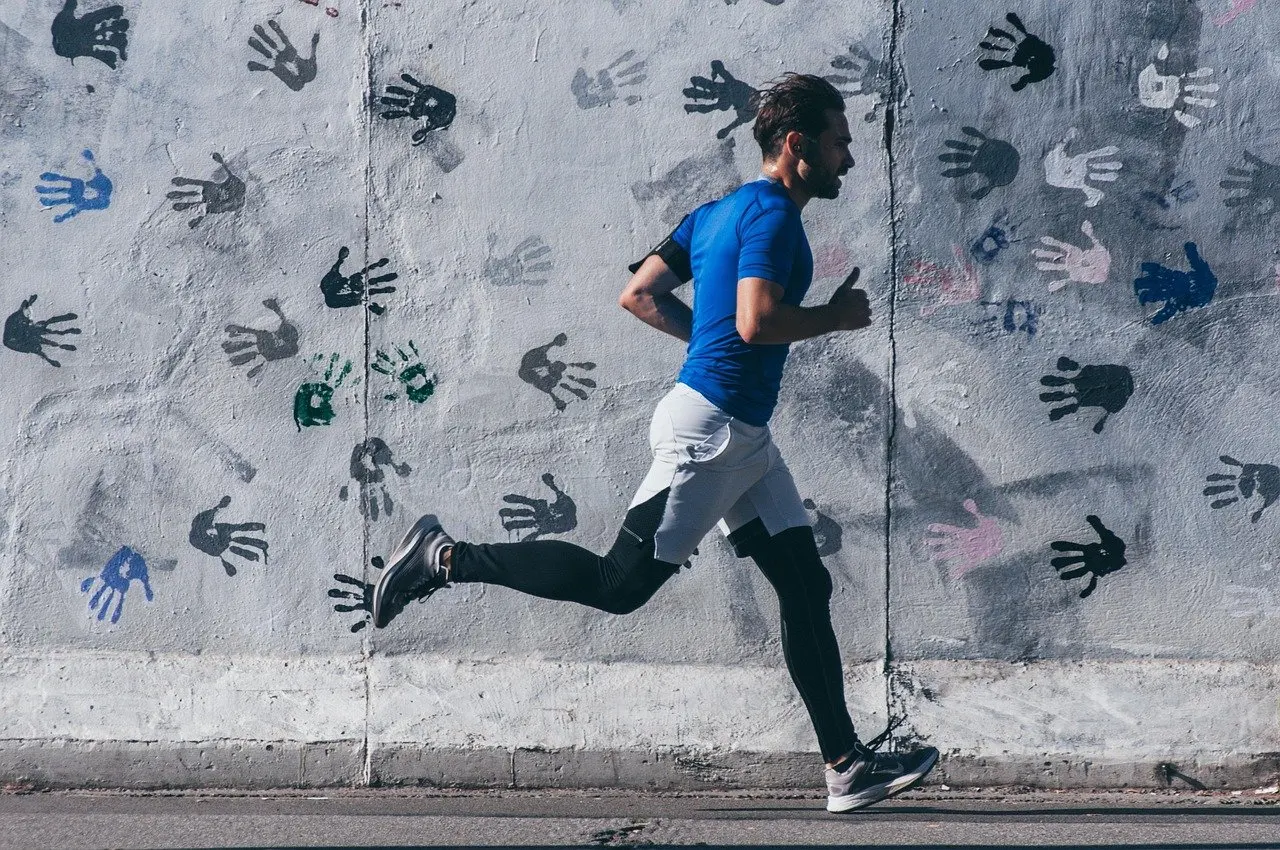
Hot weather, exercise and altitude all raise the amount of water you lose. Very active people lose more water through sweat as the body cools itself, and the same applies at higher altitudes and in extreme temperatures. Henry Ford Health notes that people who exercise have higher water needs than people who do not. On hot or active days, the adequate intake figures are therefore a starting point rather than a ceiling.
Health history changes the picture too. UCSF stresses that dehydration is detrimental, particularly for someone with a history of kidney stones or urinary infections. In the research it cites, drinking eight cups of water a day significantly decreased the likelihood of another kidney stone. People in that group should follow their own clinician’s advice on a target.
Can you drink too much?
Overhydration is rare, particularly among healthy adults. Drinking too much water without the accompanying electrolytes can cause hyponatremia, so large amounts taken in one go are not a sensible way to catch up. Steady intake spread through the day suits most people better.
Water and weight
UCSF reports that several studies found about six cups of water a day helped adults lose weight. One adolescent study found that a little more than eight cups a day had no effect on weight. Water is a useful swap for sugary drinks, but it is not a weight-loss guarantee.
Ways to drink more through the day
Habits matter more than willpower. These steps are ordered from easiest to set up:
- Keep water handy. The Academy of Nutrition and Dietetics advises keeping water within reach so it is there when you want a drink. A refillable bottle at your desk does this.
- Drink at meals and between them. Pairing water with meals gives you a fixed cue, and sipping between meals fills the gaps. This also fits naturally into healthy meal planning for beginners.
- Sip on a rhythm. Henry Ford Health relays a suggestion of a sip of water every 10 minutes throughout the day, which suits desk work better than a few large glasses.
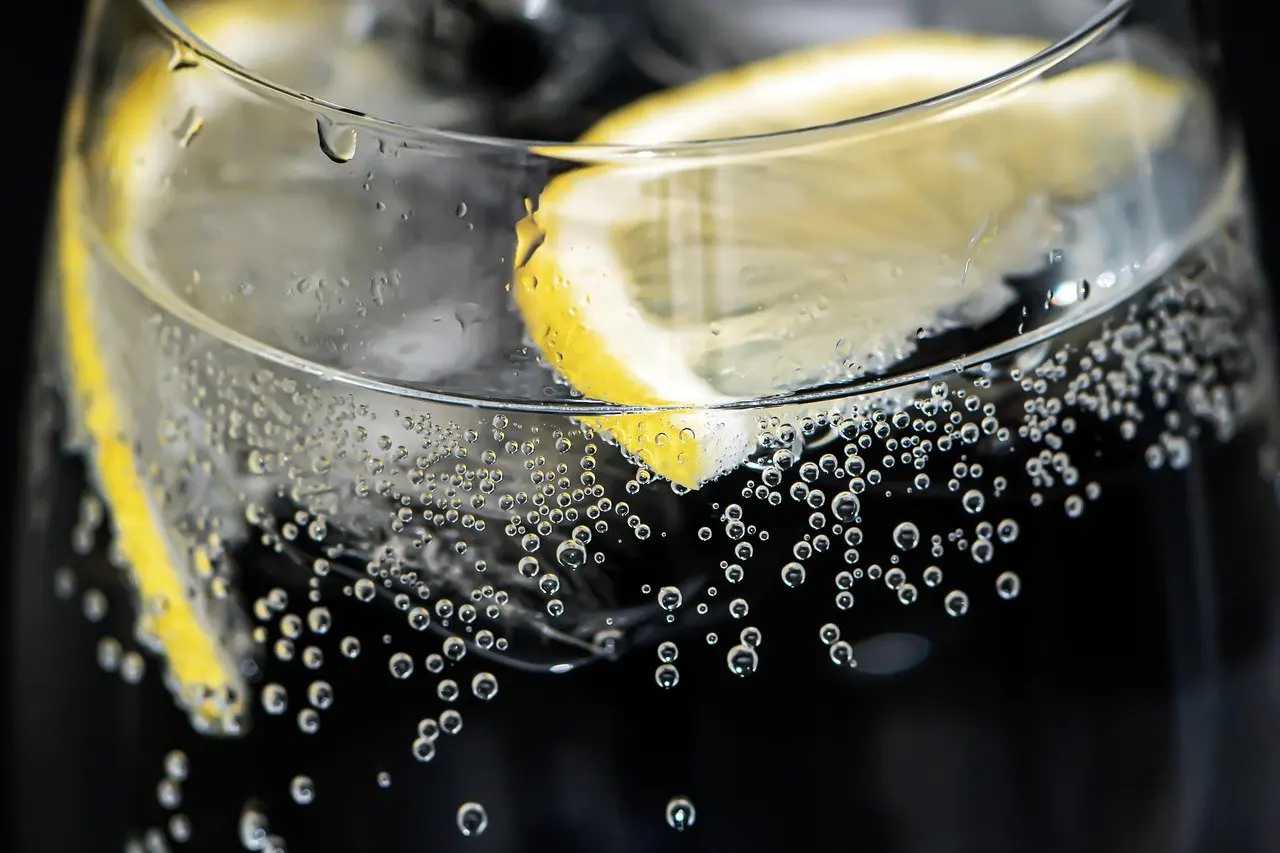
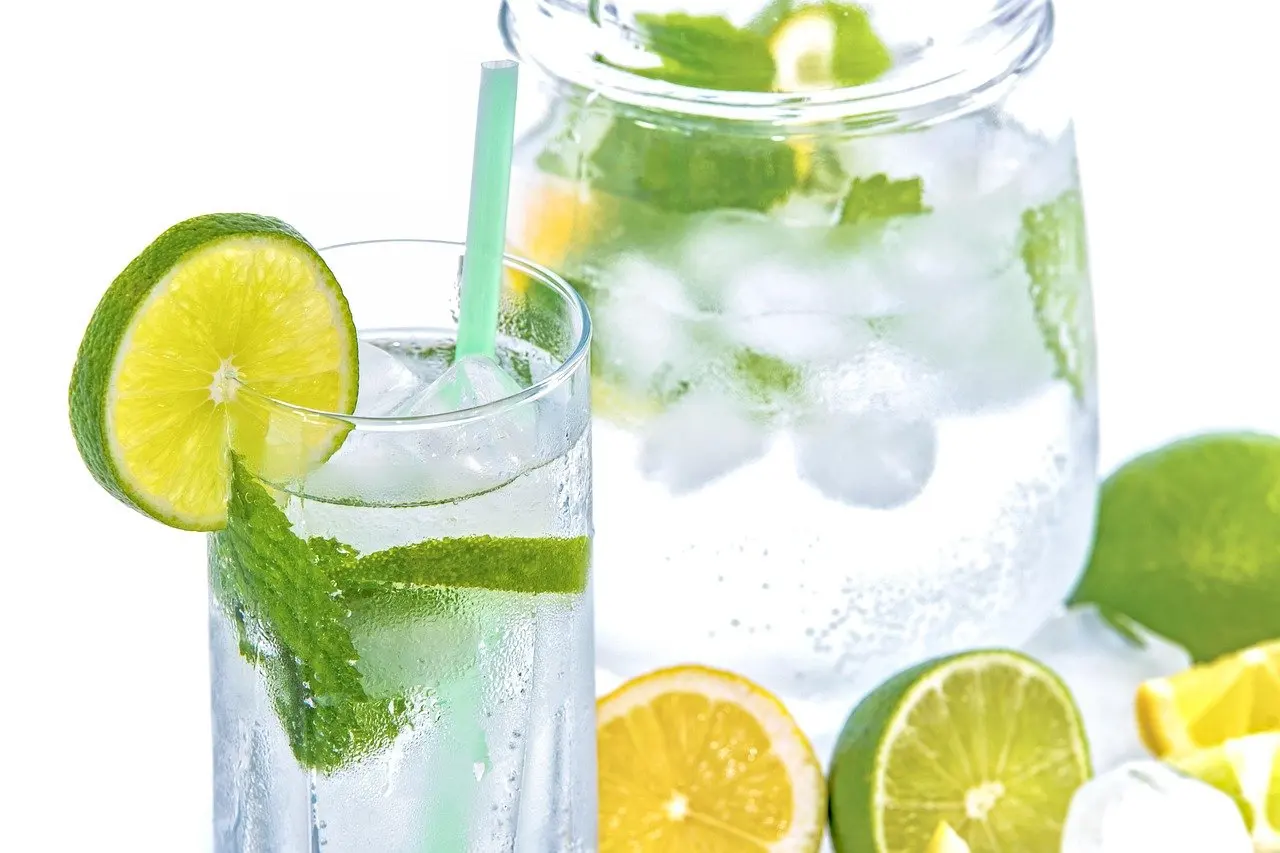
- Make the taste appealing. Squeeze fresh lemon or lime juice into your water, or toss in cucumber slices or basil leaves.

Flavouring with citrus or herbs keeps the drink unsweetened, which fits the advice to limit added sugars.
Frequently asked questions
Is eight glasses a day the right target?
It is a common rule, but the official US figures describe total water from food and drink for generally healthy people, set by age and sex. Eight cups of plain drinks falls below the drink-only figures of about 9 cups for women and about 13 cups for men.
Does food really count toward my water intake?
Yes. Food typically supplies about 20% of the water you need, and water-rich choices such as watermelon, strawberries, lettuce and celery contribute more.
What is the quickest way to tell if I am drinking enough?
Look at urine colour. Pale yellow suggests enough fluid, while bright yellow urine, headaches, dizziness or constipation suggest you should drink more.
Do I need more water in hot weather or when exercising?
Yes. Heat, sweating, altitude and exercise all increase water loss, so needs rise above those of a less active person.
Can I drink too much water?
It is rare in healthy adults, but too much water without electrolytes can cause hyponatremia, so spread intake through the day.