| Area | Starting habit | Planning use |
|---|---|---|
| Sleep | Keep smartphones and tablets out of bed, because their blue light may disrupt circadian rhythm. | Make it a nightly tick-box. It is the easiest sleep habit to track and needs no equipment. |
| Food and water | Build meals around plant foods and olive oil, and keep water within reach. | Plan meals ahead on a quiet day, then adjust as the week unfolds. |
| Movement | Regular exercise, even moderate, has beneficial effects at any age. | Pick an activity that is easy to repeat and book it into the calendar like an appointment. |
| Stress | Absorbing manual tasks such as cooking can pull attention away from daily worries, and body signals deserve a regular check. | Add a short daily reset and a weekly review of how the body is responding. |
| Connection | Shared habits can become small relational rituals that keep people in contact. | Fix a recurring social slot so it survives busy weeks. |
The starting points above draw on guidance from Italy’s Istituto Superiore di Sanità on physical activity and on practical habit advice in Donna Moderna.
Abitudini per il benessere quotidiano work best as a short, repeatable weekly checklist that covers sleep, food, movement and stress, with room to flex. The goal is steady, moderate habits, never extremes.
This page is the starting map. Each section below explains the habit, who it suits and when to adjust it, and points to a detailed guide where one exists. Begin with the area that currently causes the most friction, then add the others gradually.
Why a weekly checklist beats a rigid routine
A weekly checklist gives structure without turning every day into a test. It lets a missed evening walk or a late night be absorbed by the rest of the week instead of being counted as a failure. That flexibility matters because the same habit that supports wellbeing can start to cause harm when it becomes inflexible.
What habits do for you
According to IOXME, habits create a sense of familiarity, control and security, and they save mental energy because fewer decisions have to be made from scratch. That is the practical case for a checklist. When going to bed, packing lunch or going for a walk is already decided, willpower is left over for the parts of the day that really need it.
This also explains why stress and habits are linked. A day with predictable anchors feels more manageable than a day improvised from morning to night, even when the workload is identical.
Where routines go too far
The same source warns that a routine which becomes so rigid that it prevents any different choice turns into an excess and can lead to malaise. For a wellbeing plan, this is the main reason to avoid extremes. A person who cannot skip a workout, drop a meal-prep step or sleep in after a hard week has a rule, not a habit.
A useful test is how a missed item feels. If it brings mild irritation and an easy restart, the habit is working. If it brings guilt, anxiety or a compulsion to compensate, the checklist has become too strict and needs loosening.
How to keep the checklist flexible
Write the checklist as a small set of default actions rather than a schedule of exact times. Choose a handful of items per area, mark what counts as the minimum version on bad days, and review the whole thing once a week. The review is where adjustments happen, so individual days stay light.
- Keep the list short. Fewer items are more likely to be repeated, and a short list is easier to review honestly.
- Define a minimum version. A shorter walk or a simpler dinner still counts, which protects the habit during demanding weeks.
- Allow planned exceptions. Meals out, travel and social evenings are part of normal life, so build them in rather than treating them as breaks in the plan.
Sleep habits for the evening
Sleep is the best habit to fix first, because it affects how easily every other habit can be kept. According to Donna Moderna, sleep recharges energy, supports the immune system, lowers hypertension and favours memory. A checklist that protects sleep therefore protects the rest of the list.
Screens and the bedroom
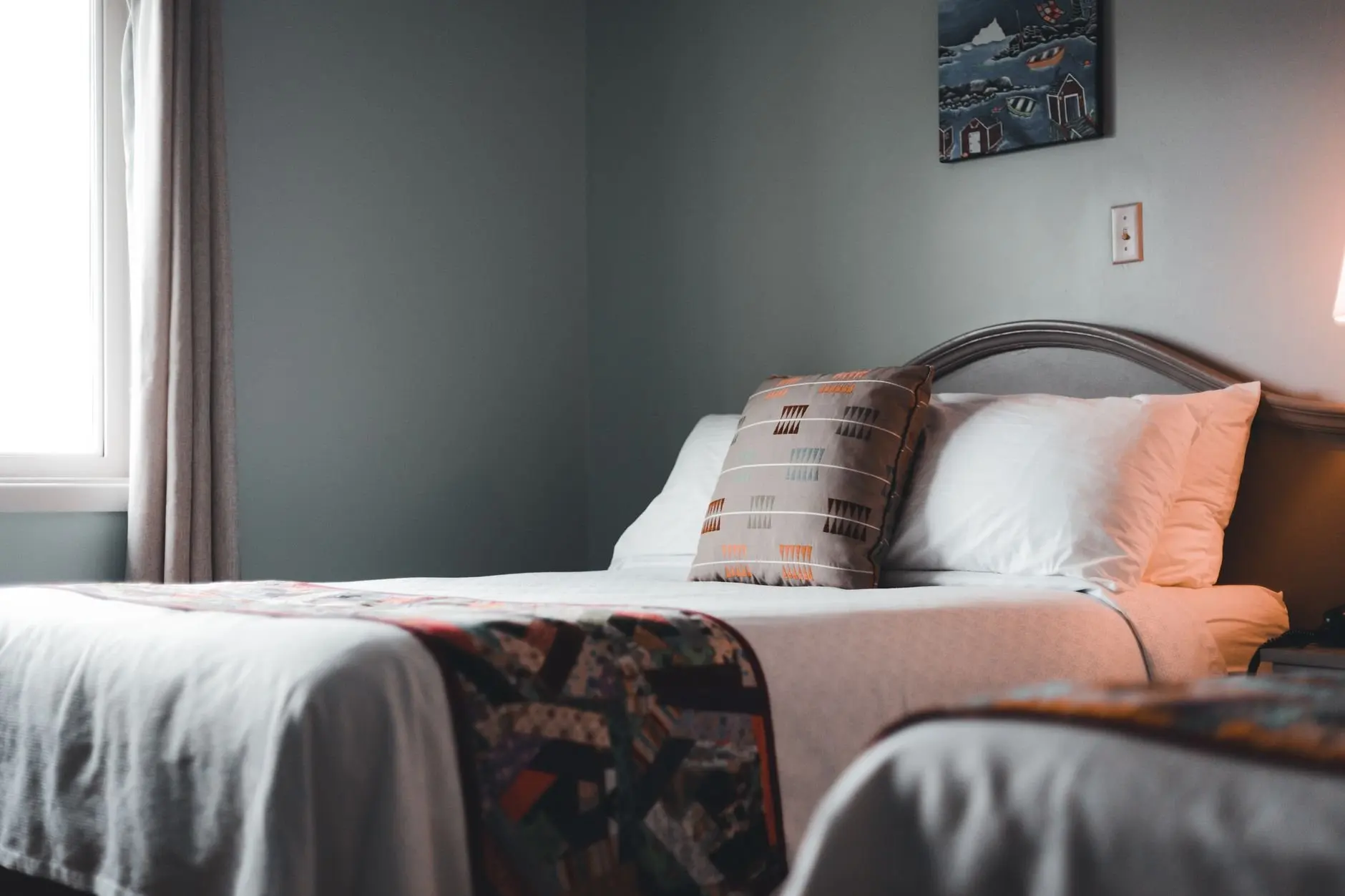
The Donna Moderna article advises avoiding smartphones, tablets and similar devices in bed, because their blue light may disrupt circadian rhythm. The wording is cautious, and so should the application be. The practical step is simple: charge the phone away from the bed and use another way to wake up, so the device is not within reach at night.
This habit suits people who scroll before sleeping and find it hard to switch off. It is less urgent for someone who already falls asleep easily with a book and no screen. The wider set of bedroom and evening habits is gathered in the sleep hygiene checklist, which works as a tick-list for the week.
Sleep length and a steady schedule
Many readers start with the question of how many hours of sleep adults need. The detailed answer, with the range and the conditions that change it, is in the guide on how many hours of sleep do adults need. For planning, the number matters less than the pattern. A bedtime and waking time that stay broadly the same across the week are easier to keep than a target that is met on only some nights.
When the schedule has already drifted, for example after shift work, travel or a stretch of late nights, a gradual correction is more realistic than an overnight reset. The step-by-step approach to how to fix sleep schedule problems fits well into the weekly review, because progress is judged across several days rather than one night.
What short sleep costs
Donna Moderna notes that sleeping little means a greater likelihood of acting without thinking. In everyday terms, a short night can make impulsive snacking, sharp replies and skipped plans more likely. That gives the checklist a practical rule: when sleep has been poor, simplify the day instead of adding pressure. A lighter walk, an easy dinner and an earlier night are better responses than a demanding workout.
Food and water without extremes
A balanced eating pattern is built from repeatable meals, not strict rules. The aim for the weekly checklist is a small set of dependable choices that make good eating the default, with room for the occasional meal that does not fit.
An everyday eating pattern
The Mediterranean pattern is a natural reference point for Italian readers, because it centres on vegetables, legumes and olive oil. The guide to mediterranean diet for beginners explains how to begin, while the explanation of what is a balanced diet sets out the broader principles behind it. Reading both gives a sense of the whole plate before any single food is judged.
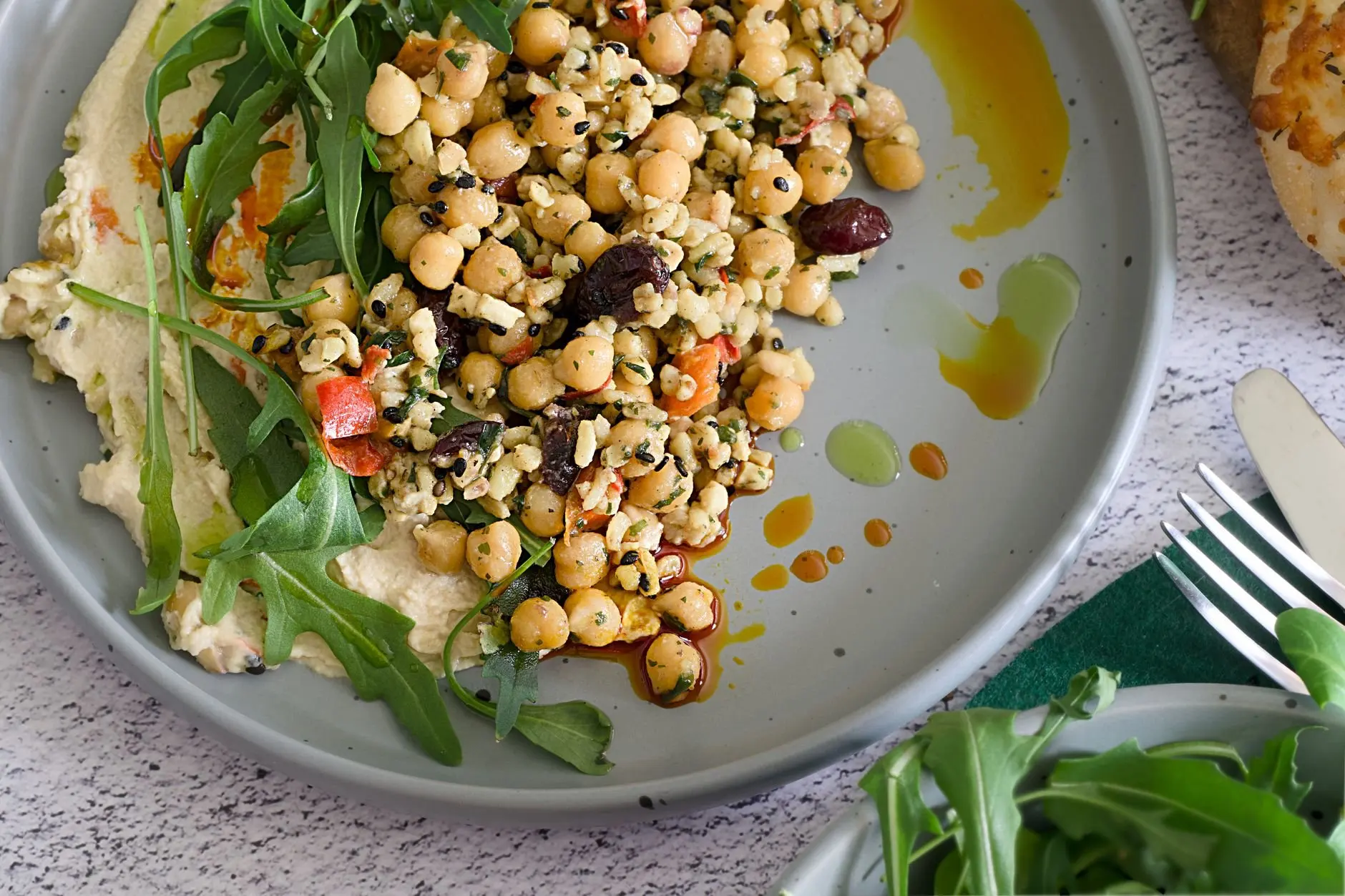
For the checklist, choose a small number of anchors rather than a long list of foods. Examples include a vegetable-based main meal on most days, legumes in a regular rotation and olive oil as the usual cooking fat. These are easy to tick, easy to adjust and do not require counting.
Processed foods and snacks
The cleanest way to avoid extremes is to treat food as a question of defaults. If the default snack is easy and appealing, the rest of the pattern holds up. A page of healthy snack ideas helps replace improvised choices with a short list ready at home or at work.
Highly processed products are a separate question and deserve a measured reading rather than alarm. The evidence summary on what are ultra processed foods explains the term and what is known about it. For the checklist, the sensible position is to notice how often such foods appear, without declaring any food forbidden.
Planning meals and keeping water close
Planning is where a food habit becomes realistic. A simple weekly plan reduces last-minute decisions, which is the same mental-energy saving that habits offer in general. The guide to healthy meal planning for beginners shows a gentle way to start, and the longer view of healthy eating habits covers how to keep them going once the first enthusiasm fades.
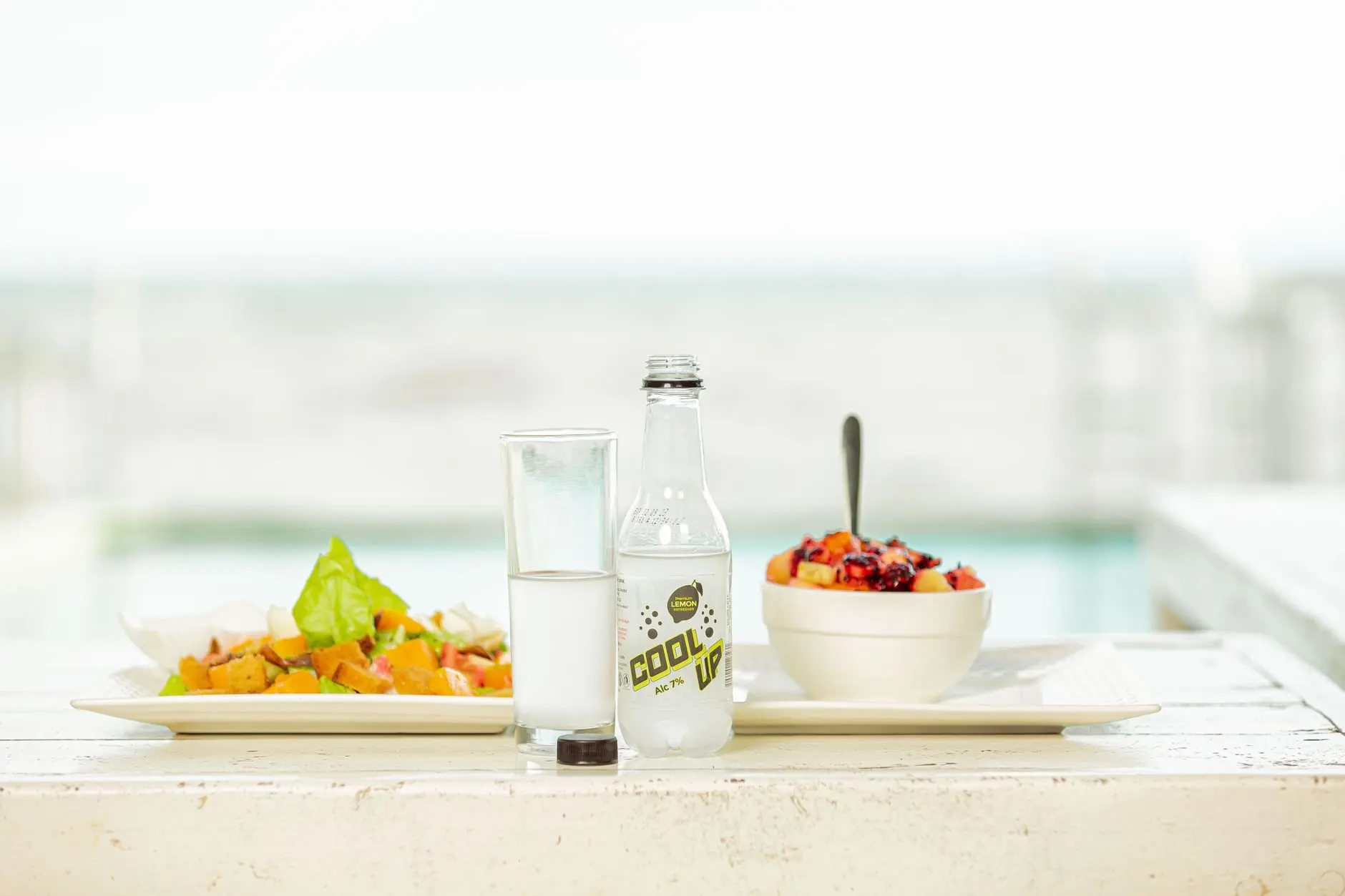
Fluids belong on the same list. A glass of water placed where it will be seen is a low-effort cue, and the question of how much water should you drink a day is answered in its own guide, so the checklist can simply record whether drinking happened. Cooking at home also supports the stress side of the plan, which is discussed further below.
Movement that is regular, not extreme
Movement is the habit with the clearest official backing in the evidence gathered for this page. The Istituto Superiore di Sanità states that regular physical activity is an essential component of a healthy lifestyle and a valid ally of psychophysical well-being. It also states that, at any age, regular exercise, even moderate, has many beneficial effects on the body.
Why moderate is enough to start
The words “even moderate” are the key phrase for a checklist. They remove the idea that only intense or long sessions count. A brisk walk, a gentle stretching session or a bike ride to the shops can all be entered as movement, and what matters most is that the activity recurs across the week.
The same institute describes a sedentary lifestyle as a public health problem, with a high burden of disease and related social costs. For an individual, this translates into a direct priority: reduce long unbroken stretches of sitting before worrying about advanced training plans.
Choosing an activity you will repeat
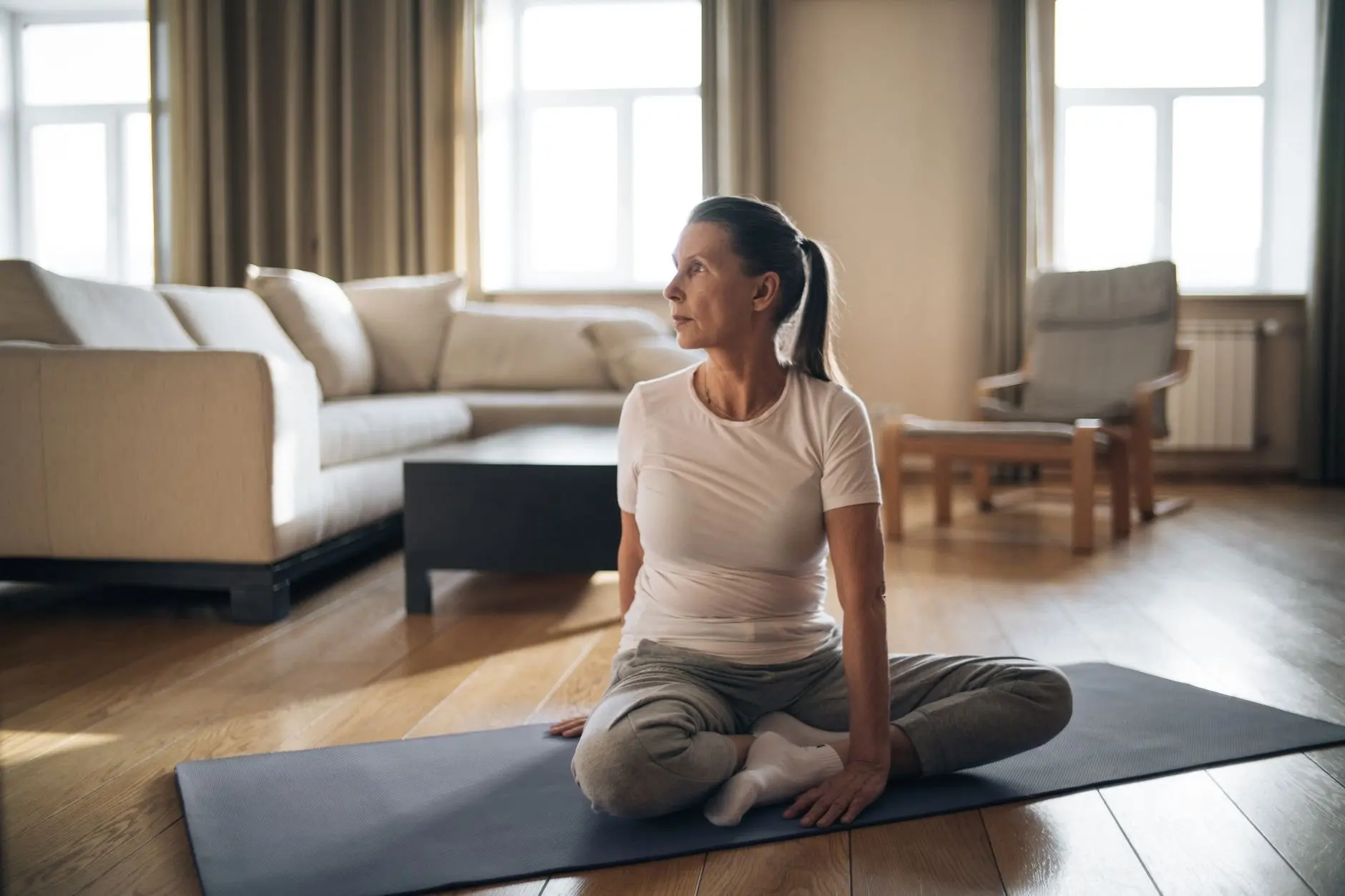
The best activity is the one that fits the week without needing a special effort. Walking suits people who want something low-cost that can be added around errands or a commute. Stretching on a mat suits those who prefer to exercise at home, or who are returning to movement after a break. Both are easy to scale up or down, which keeps the habit flexible.

Adding strength and good posture
Once walking or stretching is steady, resistance work is a logical addition. The guide to strength training for beginners shows how to start with simple moves and sensible progression. Because the ISS notes benefits from moderate exercise at any age, a beginner approach is a reasonable fit for most adults.
Desk-heavy days call for posture awareness too. Practical habits for the back and shoulders are covered in the guide on how to improve posture, which pairs well with short movement breaks during the working day.
Stress management and mental health
Stress care is the least visible part of the checklist, so it benefits most from being written down. The aim is not to remove stress but to notice it early and to have a few dependable ways of settling it.
Signs that stress is affecting your health
Donna Moderna describes the body’s signals as ranging from a sense of malaise to anxiety and, at the far end, stress-related illness. The range is the useful part. It means early signals are worth noticing before they escalate, and that a general feeling of being unwell is a legitimate reason to review the week.
A weekly check-in can ask simple questions. Has sleep changed? Is there more tension, irritability or a sense of unease than usual? Persistent or worsening symptoms, or anything that feels beyond everyday stress, call for a conversation with a doctor rather than a self-managed checklist.
Ways to reduce everyday stress
Reducing everyday stress starts with the structure already discussed. Habits create familiarity, control and security, so a predictable routine is itself a stress buffer. On top of that, a few small resets help during the day.
- Absorbing hands-on tasks. Donna Moderna suggests that manual work combined with concentration, such as cooking, lets attention move away from daily worries, at least for a while. It suits people who find sitting still difficult.
- Slow breathing. A short breathing practice is easy to do anywhere, and the guide to breathing exercises for stress gives simple methods to try.
- Mindfulness practice. For readers who want a more structured pause, how to meditate for beginners introduces mindfulness step by step, so a short daily sit does not feel intimidating.
- Writing things down. Journaling for stress gives worries somewhere to go other than the mind, and a few lines are enough to begin.

Choose one reset to begin with and keep it for a few weeks before adding another. Someone who feels restless suits cooking or a walk. Someone whose thoughts race at night may prefer breathing or a short journal entry before bed.
Light, season and mood
Season can influence mood, and the checklist can account for it. Donna Moderna reports that in Scandinavian studies the share of people reporting depressive symptoms rises notably in the winter months. It also notes that sun exposure favours vitamin D production, which in turn aids calcium absorption in bone.
The practical reading is modest. When days are short, make time outdoors a deliberate item on the list, for example a daytime walk. This links movement, light and mood in one habit and avoids adding another separate task.
Connection and everyday mood
Relationships are part of mental health, and they respond to habits like anything else. IOXME observes that shared habits can become small relational rituals that keep people in contact. A regular coffee, a weekly call or a standing walk with a friend turns good intentions into something that actually happens.
The people around you matter as well. According to Donna Moderna, citing some studies, spending too much time with habitual complainers contributes to a marked worsening of mood. This is not an argument for dropping friends who are having a hard time. It is a reason to balance the week, so that some of the social time is with people who leave you feeling steadier.

For the checklist, a single recurring social item per week is a sensible start. It can be as light as a shared meal or a walk. The aim is consistency, so choose a format that is easy to repeat rather than an ambitious plan that is cancelled when the week gets busy.
Building your weekly checklist
A usable checklist joins the areas above into a short list that is reviewed at the end of the week. It should fit on a single page and read as a set of defaults, not a list of demands.
A starter list
- Sleep. Devices out of the bed at night, a broadly steady bedtime and waking time, and a quick note on how rested the day felt.
- Food and water. A plan for the main meals, a ready snack choice and a glass of water within reach through the day.
- Movement. Regular moderate activity such as walking or stretching, with a minimum version for hectic days and a strength session added when the base feels steady.
- Stress. A daily reset, such as breathing, a few lines of journaling or an absorbing task like cooking, plus a weekly look at body signals.
- Connection. A recurring social slot and some outdoor time in daylight.
How to review and adjust
At the end of the week, look at what was easy and what was not. Keep the items that were repeated without effort, simplify those that were skipped, and change only a small number of things at a time. A habit that is skipped repeatedly is usually too large or badly timed, not a sign of weak motivation.
Loosen the list at once if it begins to produce guilt or rigidity. Given that an inflexible routine can tip into excess and cause malaise, the checklist has done its job when it supports the week and been misused when it controls it. Seek professional advice when symptoms persist, when sleep or mood stay disrupted despite sensible habits, or when physical symptoms appear that everyday measures do not explain.
Frequently asked questions
How many hours of sleep do adults need?
The exact range is set out in the dedicated sleep-duration guide. In practice, aim for a regular schedule that leaves you rested, since sleep is linked to energy, immunity, blood pressure and memory.
How can I reduce everyday stress?
Start with predictable routines, then add one small reset such as cooking, slow breathing, journaling or time with supportive friends. Add further resets one at a time rather than all at once.
What are signs that stress is affecting my health?
Signals range from a general sense of malaise to anxiety and, in more serious cases, stress-related illness. If they persist or worsen, speak to a doctor.
Should the checklist be followed every day without exception?
No. Habits give familiarity and control, but a routine that blocks any different choice becomes an excess. Use minimum versions on difficult days and make adjustments at the weekly review.
Is moderate exercise really enough?
According to the Istituto Superiore di Sanità, regular exercise, even moderate, has many beneficial effects on the body at any age. Consistency matters more than intensity when starting.