

Mid-afternoon hunger is easiest to handle with a plan. The best healthy snack ideas pair protein or fibre with little added sugar, such as plain Greek yoghurt with berries, a measured handful of nuts, or apple slices with peanut butter.
This list sorts snacks by the job they do rather than by food group, so you can pick what suits the gap between meals. It is one part of abitudini per il benessere quotidiano, where eating sits alongside the other small routines that keep a day steady.
Quick picks by job
- Filling: choose a snack built on protein, then add fibre. Greek yoghurt, cottage cheese, eggs and edamame lead the table below.
- Low sugar: whole fruit, unsweetened applesauce and plain dairy leave sweetness to the food itself. Packaged snacks need a label check.
- Quick afternoon: pick something with two or three ingredients that needs no cooking, such as a yoghurt jar or fruit with nut butter.
The sections below give per-serving values where they are available and say who each option suits.
What makes a snack worth choosing
A Healthline roundup of energising snacks points out that many snack foods are low in filling nutrients such as protein and fibre and high in added sugars. That gives three practical tests for any snack.
- Protein: the nutrient most linked to feeling full after a snack. Most of the filling picks below are built around it.
- Dietary fibre: adds bulk and slows the snack down. Fruit, vegetables, beans and oats supply it.
- Added sugars: sugar put in during manufacture, as opposed to the sugar naturally present in fruit or plain dairy. It is the number to watch on packaged products.
A snack that passes two of the three tests is usually a good choice. One that fails all three is the kind the roundup warns about.
High protein snacks that keep you full
Protein is the main reason a snack keeps hunger away. A 2012 University of Missouri study, reported by HuffPost, found that women who ate a snack containing 24 g of protein felt full longer than those who ate medium or low protein snacks. It is one study in one group, so treat 24 g as an illustration of the effect, not a target everyone must hit.
| Snack | Portion | Protein | Calories | Planning use |
|---|---|---|---|---|
| Plain 2% Greek yoghurt | 1 cup | 23 g | 170 | Lands close to the study figure and needs no preparation |
| Greek yoghurt with berries | 1 cup yoghurt plus 1/2 cup berries | 23 g | 212 | Adds fruit and sweetness without changing the protein |
| 2% cottage cheese | 1 cup | 27 g | 190 | The highest protein of the group, best for a larger snack |
| Eggs | 2 eggs | 13 g | 140 | Easy to cook ahead for the week |
| In-shell edamame | 1/2 cup | 11 g | 130 | A lighter option with plant protein |
| Beef jerky | 2 oz | 18 g | 180 | Needs no preparation, so it suits a bag or desk drawer |
| Nuts | 1/4 cup | 6 g | 200 | Compact and satisfying, but the least protein per calorie here |
These per-serving figures come from a high-protein snack list by Dr Rachel Paul.
Dairy: Greek yoghurt and cottage cheese
Greek yoghurt suits people who want a spoonable snack that works at home or at a desk. Cottage cheese suits anyone who wants the most protein for the calories. Plain versions have no sweetener added, so let fruit do that job. Flavoured pots deserve a label check first.
Eggs, edamame and jerky
Eggs and edamame suit plant-leaning or whole-food eaters who like to prepare snacks in batches. The form of edamame matters. HuffPost reports 28 g of protein in 1/2 cup of dry roasted edamame, well above the in-shell figure in the table, but roasted versions are denser and are usually bought packaged. Jerky delivers a lot of protein in a small portion. It fits travel days better than everyday snacking, because processed meat can bring sodium with it, as covered in the label checklist below.
Nuts and nut butter
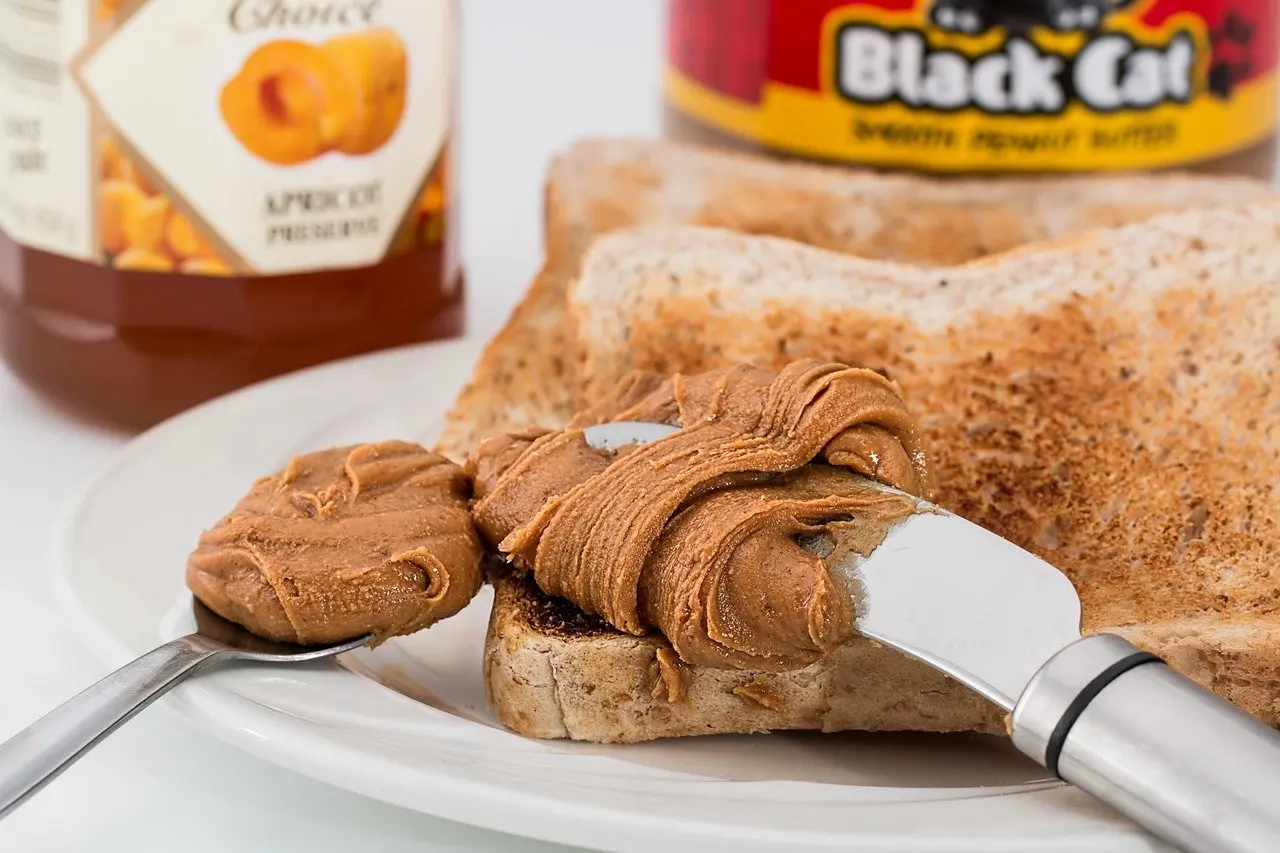
Nuts suit anyone who wants a snack that is small, durable and satisfying. The table shows the trade-off: 1/4 cup carries 200 calories for 6 g of protein, so a measured portion matters more than the choice of nut. Peanut butter gives a spreadable alternative, with 8 g of protein in 2 tablespoons of crunchy, unsalted peanut butter, according to HuffPost.
Low sugar snacks
The simplest low sugar snacks are whole foods with nothing added. Whole fruit comes with its fibre intact, and a food-brand guide to healthy snack ideas lists unsweetened applesauce as a source of fibre and vitamins with a touch of natural sweetness and no added sugar. The word unsweetened matters, because sweetened applesauce changes the picture.
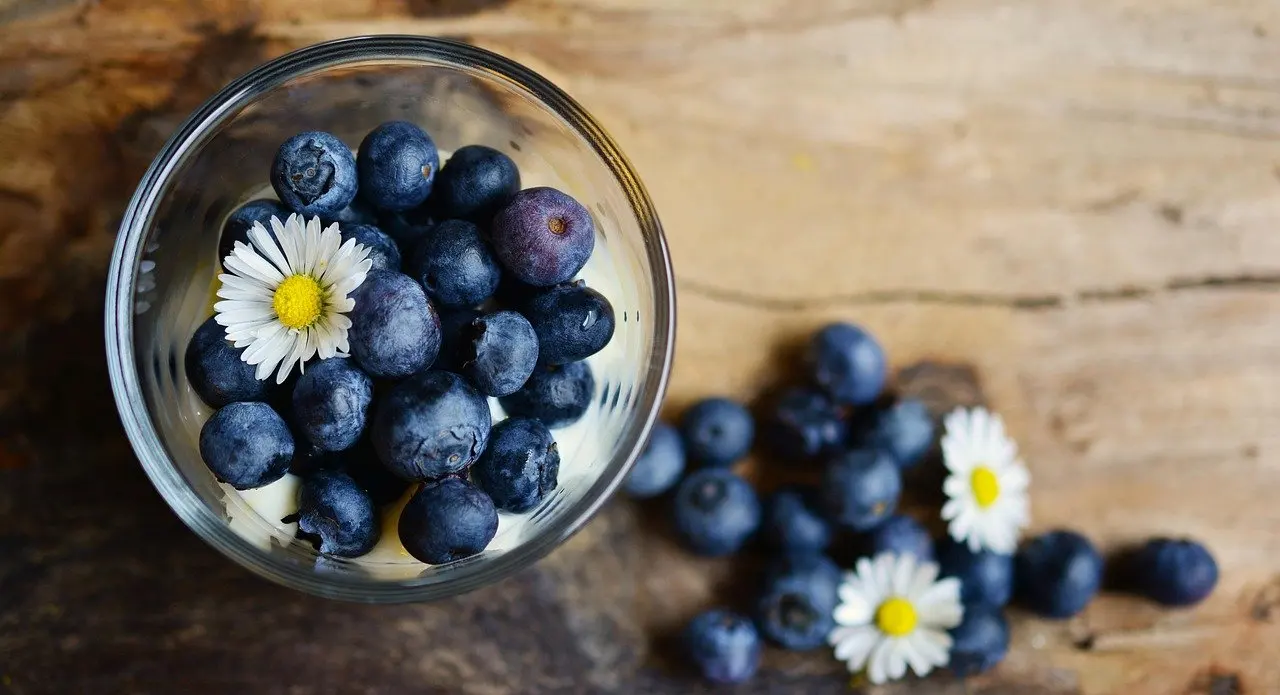
Berries stirred into plain Greek yoghurt turn a dairy snack into a sweet-tasting one without a sweetener. A fruit snack suits people who want something fresh and quick. It is less filling alone than fruit paired with dairy or nut butter, so match it to the gap until your next meal.
Fibre-rich snacks that last
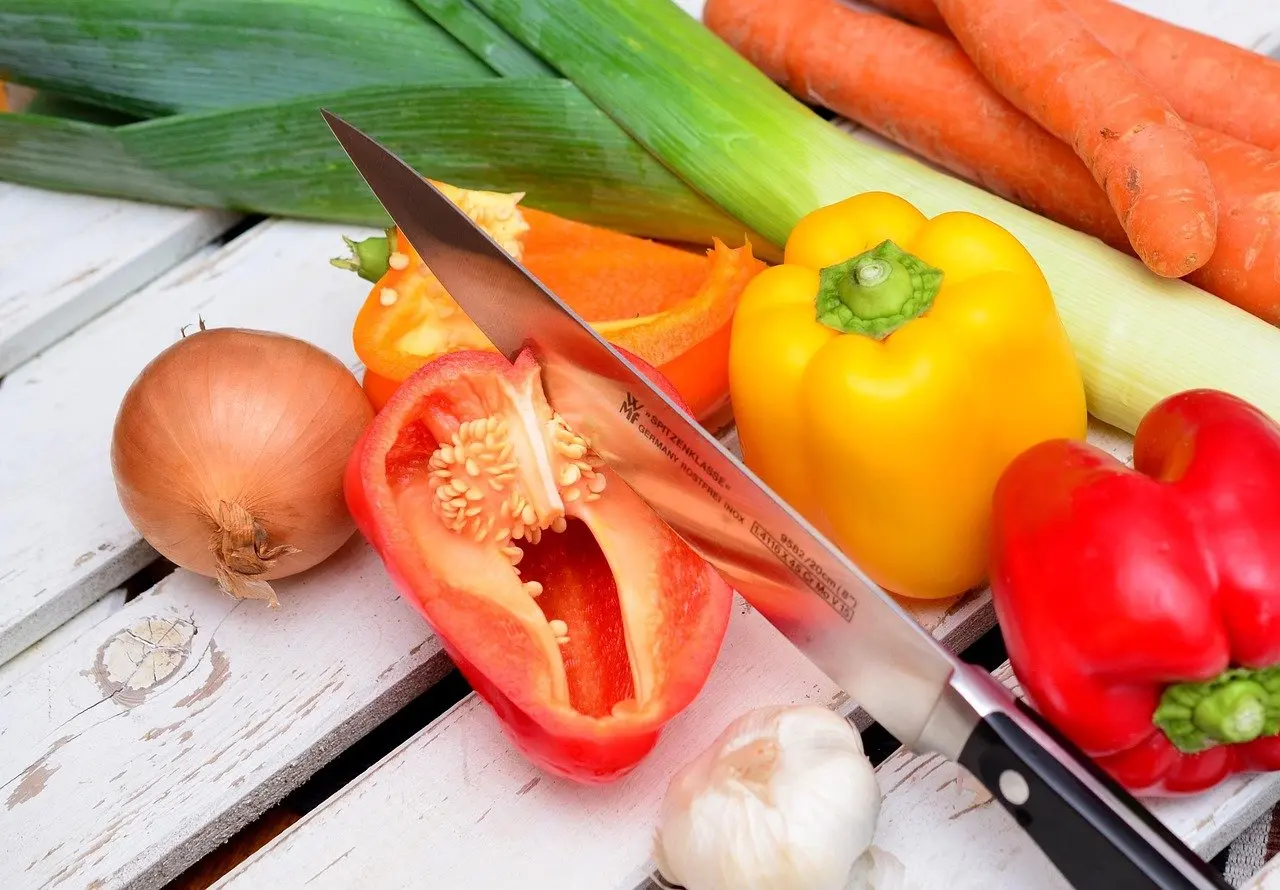
Fibre makes a snack last longer, and the foods that supply it are everyday ones. A guide to fibre-rich snacks names oats, apples, carrots, beans and citrus fruits as sources of soluble fibre. Beans are the strongest all-rounder, since Healthline describes them as packed with fibre and plant-based protein that gives long-lasting energy.
The easiest way to raise fibre is to change one snack rather than rebuild the day. The same guide says that swapping just one low-fibre snack for a smarter option can add an extra 5-10 g of fibre per day. Replacing a biscuit with an apple or a bowl of beans is that kind of swap.
Simple afternoon snacks for work
A sensible work snack is one you will actually prepare. Dr Rachel Paul’s list stresses that simple, high-protein snacks are often the easiest way to stay on track with your goals, and it favours whole-food options with 2-3 ingredients. That approach also suits people building a routine such as strength training for beginners, where easy snacks reduce the number of food decisions in a day.
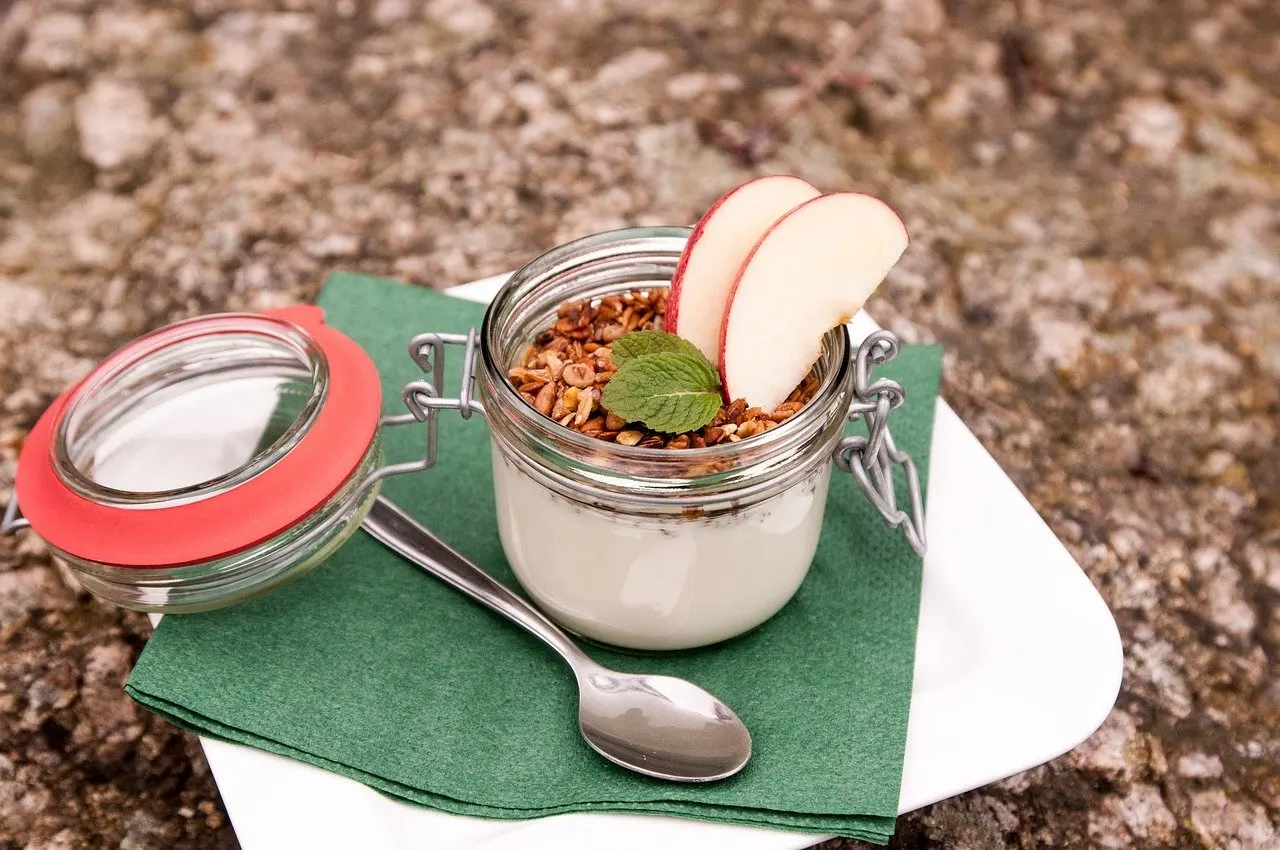
- Yoghurt jar: Greek yoghurt with fruit, packed in a lidded jar, suits a desk with access to a fridge.
- Nut butter with produce: Healthline suggests pairing apples, celery or carrots with nut butter, which gives more calories and staying power than the produce alone. It suits a long afternoon and is a poorer fit if you only want something light.
- Cooked eggs: prepared the evening before, they need no fridge-side assembly.
Choosing a packaged snack from the label
A packaged snack can be a good choice, but the front of the pack tells you little. Work through the label in this order.
- Compare per serving. Serving sizes differ between products. Healthline quotes one snack’s added sugar per 2-piece (20 g) serving and another’s per 13 g serving, so check what the number refers to.
- Read the added sugars line. The same roundup cites 1 g of added sugar per 2-piece (20 g) serving for one packaged snack and 2 g per 13 g serving for dark chocolate almonds. Those are examples of what low looks like.
- Look at protein. Healthline cites a snack bar with 12 g of protein per bar. That is a decent contribution, though less than a cup of Greek yoghurt.
- Check fibre by percent Daily Value. The fibre guide treats 5% DV or less as a low source and 20% DV or more as a high one.
- Watch sodium in processed meat. HuffPost notes that processed deli meat is high in sodium and can contain preservatives such as sodium nitrite. Choose it less often as a snack.
If a product passes the sugar check and offers either solid protein or a high fibre percentage, it is a reasonable choice. If it offers neither, a piece of fruit with nut butter will do the same job with fewer unknowns.
How often and how much to snack
There is no fixed number of snacks that suits everyone. A snack earns its place when it bridges a long gap between meals with protein or fibre, and it is unnecessary when you are not hungry. Portion matters most for energy-dense foods. The table above shows that a modest portion of nuts already carries a substantial number of calories, so measure nuts and nut butter rather than eating from the bag or jar.
Change one snack at a time. Start with the afternoon one, replace it with a protein or fibre option from this list and keep it if it holds you until the next meal. For a different kind of midday reset, abitudini per il benessere quotidiano gathers other everyday habits.
Frequently asked questions
Does Greek yoghurt really have more protein than regular yoghurt?
Yes. HuffPost reports that Greek yoghurt can have as much as twice the protein of traditional yoghurt, which is why it features in so many high protein snack lists.
How much fibre should an adult aim for each day?
A fibre snack guide gives about 25 g per day for adult women and about 38 g per day for men. Snacks can contribute but are only part of the total.
Is trail mix a good high protein snack?
Not by itself. Healthline notes that trail mix typically is not high in protein, so pair it with a cooked egg or some cheese to make a more filling snack.