
Standing in a supermarket aisle and wondering what are ultra processed foods? They are industrially made products containing preservatives, additives and chemicals not used in home cooking, and higher intakes are linked to worse health outcomes, though the evidence is mixed.
The practical answer is to cut back gradually rather than ban whole categories. This guide sits within the site’s wider set of abitudini per il benessere quotidiano, and it separates what studies show from what remains open.
Defining ultra-processed foods
Ultra-processed foods are products manufactured in multiple steps, with preservatives, additives and chemicals not used in home cooking, according to Tufts University’s nutrition experts. Loyola Medicine describes the same idea as extensive industrial processing that alters food significantly, with artificial ingredients added.
The practical test is therefore the recipe, not the packaging. A food made from ingredients you could keep in your own kitchen is a different thing from one built with additives that only a factory uses. Food additives are the clearest marker, because they rarely appear in a home pantry.
Nutrition is part of the picture too. Tufts notes that ultra-processed products are often lacking in dietary fibre, vitamins and minerals. Dietary fibre is the nutrient to watch most, because it is the one that changes noticeably as intake of these foods rises, as the research section below explains.
The NOVA food classification
The NOVA food classification sorts foods by the degree of processing, not by nutrients. A peer-reviewed review of NOVA describes four categories, from group 1 (unprocessed or minimally processed foods) to group 4 (ultra-processed foods).
| NOVA group | Name | What it covers | Planning use |
|---|---|---|---|
| Group 1 | Unprocessed or minimally processed foods | Fresh vegetables, fruits, whole grains, legumes, nuts, meats, seafood, eggs, dairy, herbs and spices | The base of meals and the easiest group to build around |
| Group 2 | Processed culinary ingredients | Ingredients used when cooking foods from group 1 | Treat as cooking helpers rather than as meals in themselves |
| Group 3 | Processed foods | Simple ingredients such as oil, salt or sugar added, with the food staying relatively close to its original form | Compare the label with the group 4 profile before deciding |
| Group 4 | Ultra-processed foods | Extensive industrial processing with added artificial ingredients, such as soda, energy drinks, frozen pizzas and chicken nuggets | The group to reduce first, gradually |
Group names come from the NOVA review, and food examples and plain-language descriptions from Loyola Medicine.
Telling group 3 from group 4
The dividing line is how far the food has moved from its original form and what was added. A food with only oil, salt or sugar added stays in group 3. A product that has been reworked industrially and carries artificial ingredients belongs in group 4. When a label is unclear, the ingredient list is the deciding evidence, and the label habits in the last section show how to read it.

Common ultra-processed foods, and what is not
Loyola Medicine’s examples of ultra-processed foods are easy to recognise on shelves. These categories are the usual starting points for anyone cutting back:
- Sugary beverages. Soda and energy drinks sit squarely in group 4 and are among the simplest items to swap out.
- Convenient frozen meals. Frozen pizzas and chicken nuggets are named examples; they suit busy evenings but are the dishes most worth replacing with a simple cooked alternative.
- Packaged snacks. Ready-to-eat snacks made with industrial ingredients belong here.
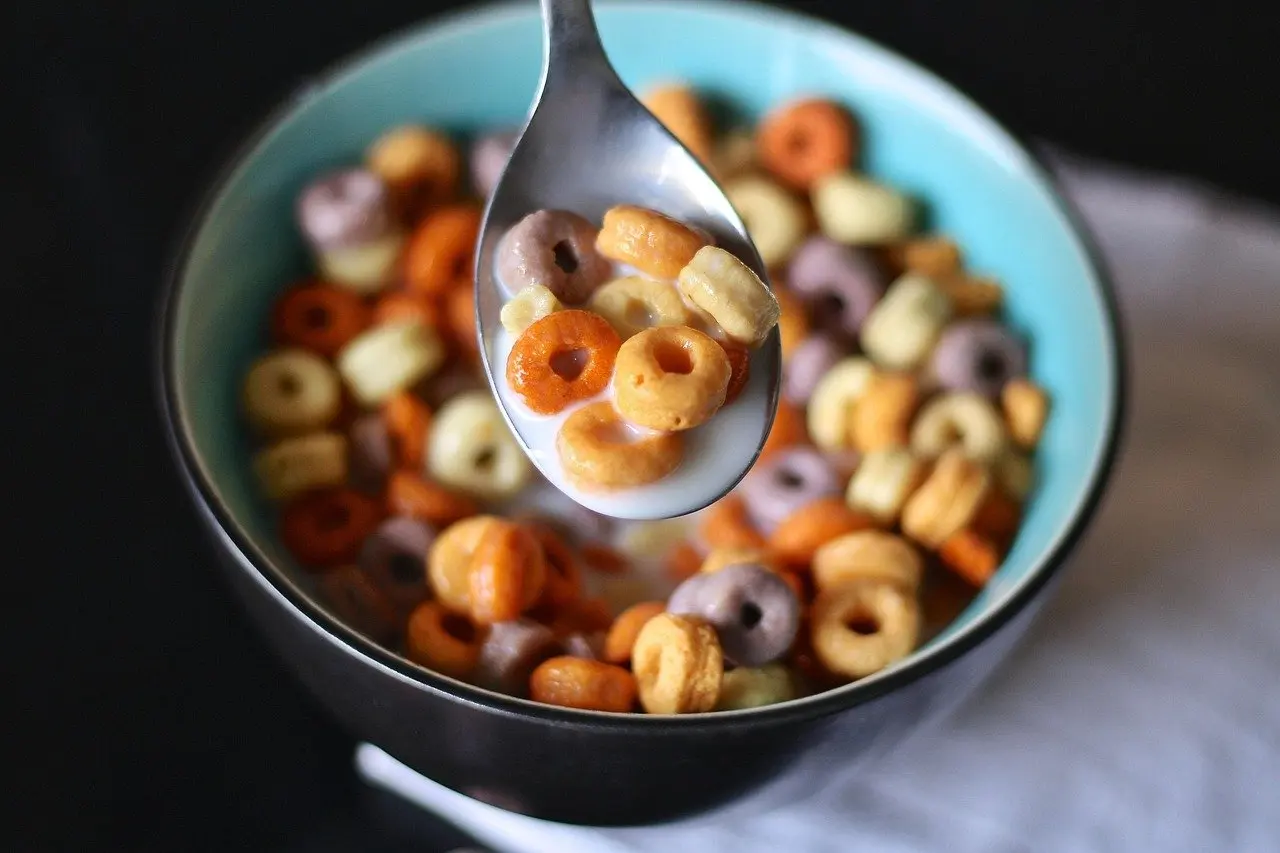
- Sweetened breakfast items. Sweetened cereals are the typical case, so the breakfast shelf is often where a first change pays off.
Foods that do not count are the whole or minimally processed ones: fresh vegetables, fruits, whole grains, legumes, nuts, meats, seafood, eggs, dairy, herbs and spices. Category names alone can mislead, though. Tufts points out that ultra-processed versions exist even for whole grain breads and cereals and for vegetables and legumes, so a food’s label matters more than its aisle.
What the research shows, and how strong it is
Mortality associations
The best-known figures come from a Tufts-reported analysis of 38,148 US adults followed from 2003-2004 to 2017-2018, using NHANES survey data linked to the National Death Index. For every 10% increase in calories from ultra-processed foods, mortality risk rose by 9%. A person getting 60% of calories from these foods had a 27% greater chance of dying from all causes than one getting 30%.
These are associations in a population, not predictions for an individual. They are also relevant because ultra-processed foods supply about 57% of adult calories and 67% of children’s calories in the United States, so the exposure is large. Intakes elsewhere differ, and the US shares should not be read as a European figure.
Nutrient quality
A review of NOVA looked at data from the US, UK, France, Brazil and Canada across groups with different intakes of ultra-processed foods. Nutritionally meaningful changes appeared for sugars and fibre, but not for total fat, saturated fat or sodium. In practice, a diet heavy in these foods tends to bring more sugar and less dietary fibre, which is why swaps toward legumes, vegetables and whole grains tend to shift the balance in the right direction.
What stays uncertain
The Tufts summary stresses that the harm cannot be entirely attributed to poor nutritional quality, and that more research is needed. The NOVA review also notes that there is little consistency in how ultra-processed foods are defined or exemplified across publications, so studies may not be measuring exactly the same thing. NOVA’s own public health advice is that these foods should be avoided. The evidence does not show that every portion of every product is harmful, and that gap is why a gradual, label-based approach is a reasonable middle course.
Tufts also reports that ultra-processed whole grain breads and cereals were neutral in the analysis, while ultra-processed vegetables and legumes were associated with a reduced likelihood of death. Group 4 is therefore not uniform, and the heaviest concern attaches to sugary drinks, packaged snacks and similar products rather than to every item with a long label.
Eating less processed food without an overhaul
Loyola Medicine’s advice is to avoid eliminating favourite processed foods altogether and to replace them gradually with healthier alternatives. This suits households that do not want a strict regime, and it is less likely to be abandoned within weeks. It is a poor fit for anyone who needs a clinical diet, who should follow their own practitioner’s advice instead. Use this ordered checklist to decide where to begin:
- Read the ingredients on your most frequent purchases. Loyola suggests that a product with more than five ingredients, including ones you do not recognise, is a candidate to avoid.
- Make a single swap per category. Whole-grain bread in place of white bread is Loyola’s example of a swap that keeps a familiar food in the basket.
- Shop the store perimeter. Loyola recommends focusing on the edges of the shop, where fresh produce, meat and dairy are usually kept.
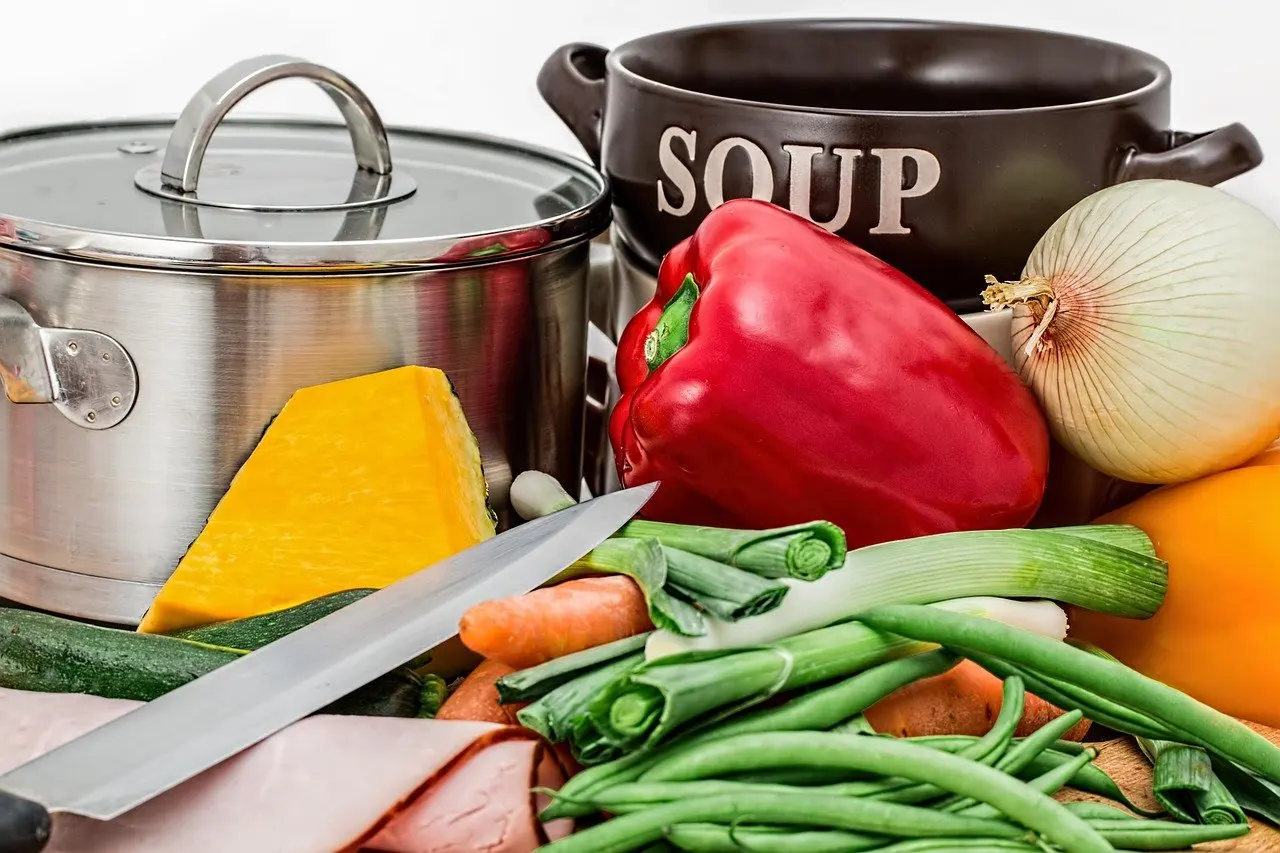
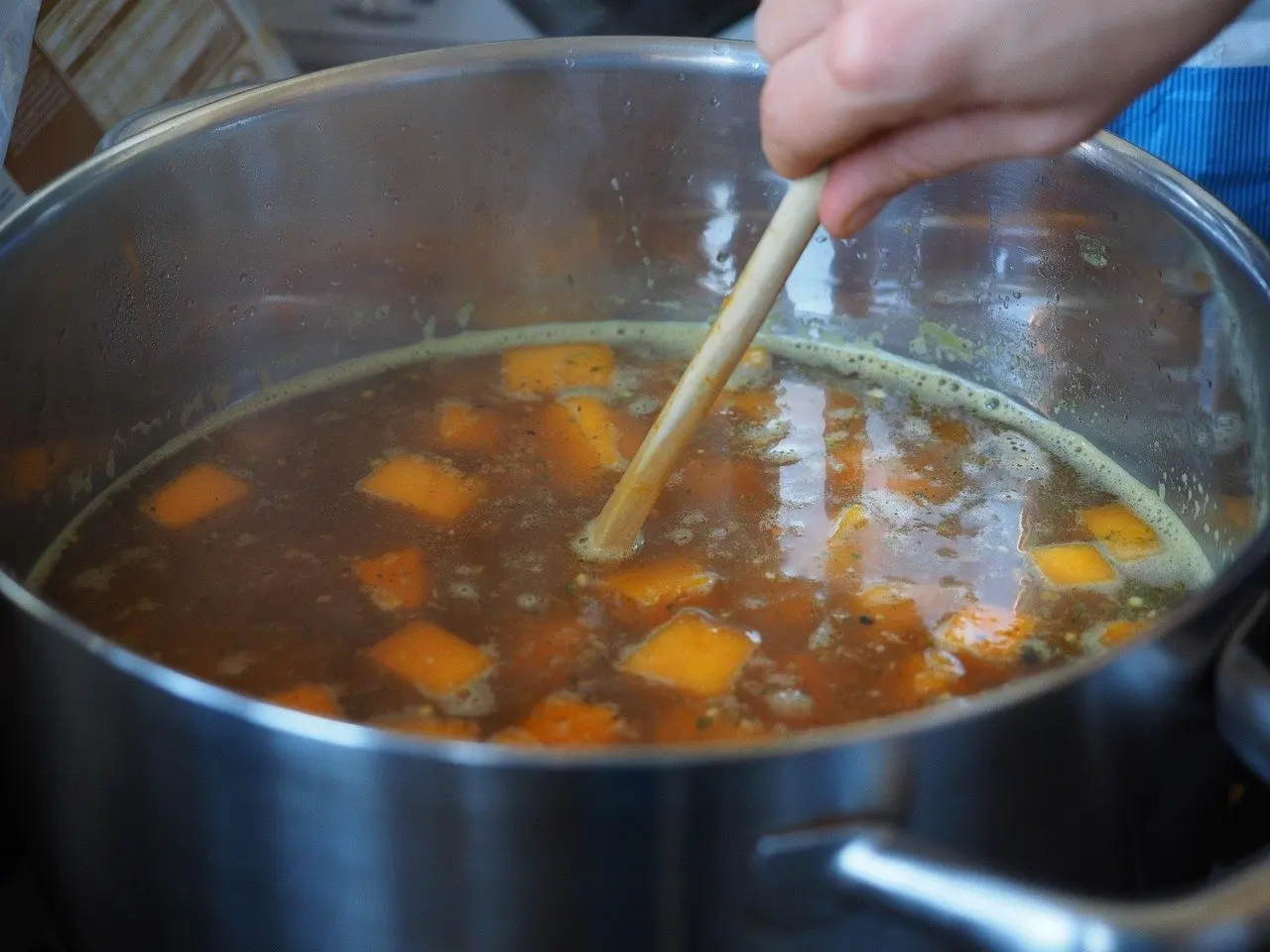
- Cook one simple base dish. A pot of vegetable and legume soup uses group 1 foods and reduces dependence on ready meals; a written plan, as in healthy meal planning for beginners, keeps these cooking sessions manageable.
Start with whichever step feels easiest. Replacing sugary drinks or one breakfast item will usually matter more than reworking every meal, and each swap leaves the rest of the diet intact.
Frequently asked questions
Does the research show that ultra-processed foods cause weight gain?
Not consistently. The NOVA review reports that two national surveys, in the United Kingdom and France, failed to show any link between body mass index and ultra-processed food intake.
Why do sources describe ultra-processed foods differently?
The NOVA review found little consistency in the definition of ultra-processed foods or in the examples given across publications. Comparing ingredient lists, rather than relying on a single published list, is the safer habit.
Are food additives proven to be the problem?
No. Tufts says the harm cannot be entirely attributed to poor nutritional quality and that more research is needed on factors such as additives and food structure.
Is a food ultra-processed just because it is packaged?
Not necessarily. Loyola Medicine describes processed foods as having simple ingredients such as oil, salt or sugar added while staying relatively close to their original form, whereas ultra-processed foods are heavily altered industrially.