
| Reader situation | Starting point | Planning use |
|---|---|---|
| Closet is already full | Take everything out and assess it before buying anything new | Audit first, so purchases fill real gaps instead of duplicating what you own |
| Need a target size | Typical capsule: 30-40 pieces | Use it as a working range, then adjust to your routine and climate |
| Unsure what to discard | Keep, goodbye and purgatory-box piles; purgatory box waits three months | Postpones hard decisions without letting clutter return |
| Colours clash | 3-5 neutral colours as the backbone | Fix the palette before choosing new pieces |
| Need versatile basics | 6-8 tops and 5-7 bottoms | Check each new piece works with the others |
These starting points come from the capsule guides at Fibflx and Outfit Anatomy.
This guide explains how to build a capsule wardrobe from clothes you already own: audit the closet first, trim toward a typical 30-40 pieces, then fill only real gaps.
It works as a practical entry point to a calmer routine, alongside come organizzare la giornata in modo equilibrato. Choose the section below that matches your situation.
If your closet is already full
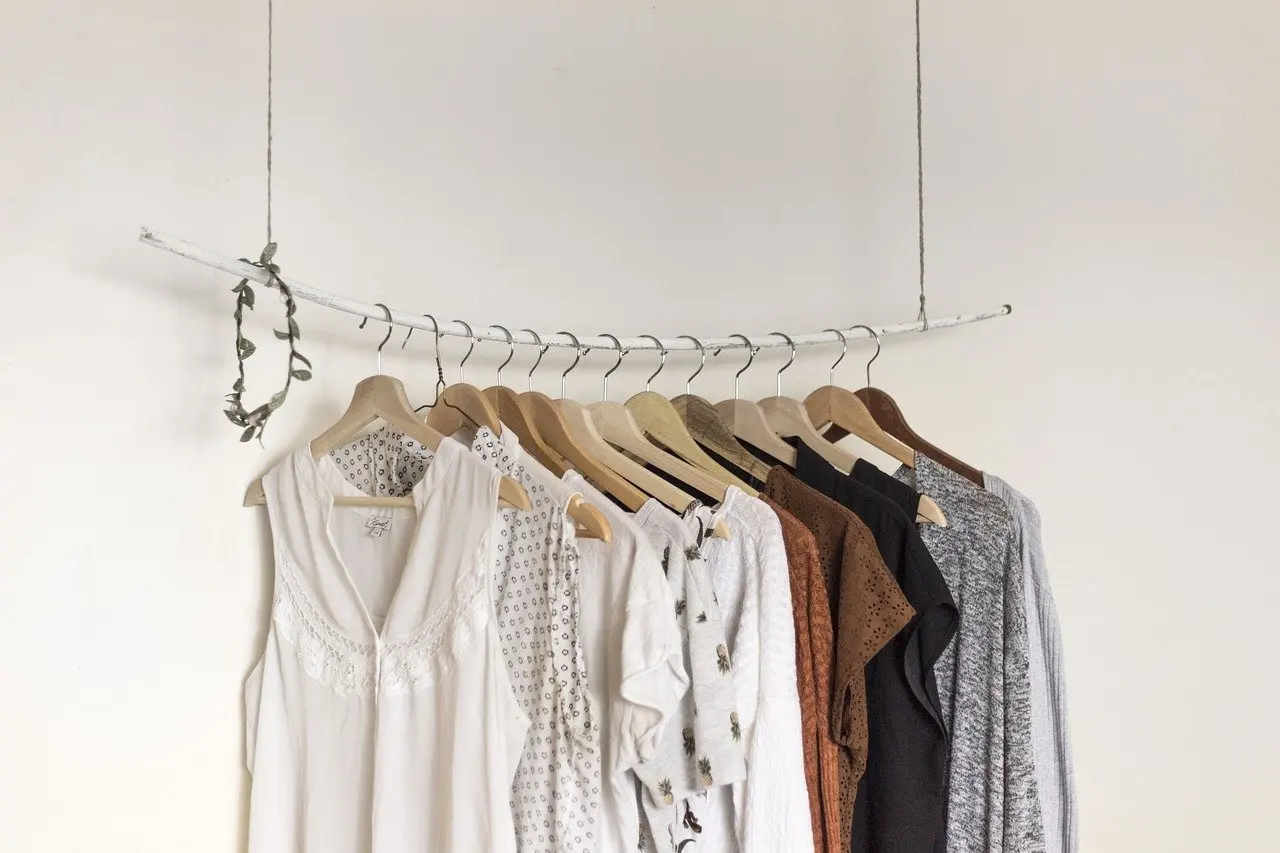
A minimalist wardrobe for beginners starts with what is already hanging up. Fibflx advises taking everything out of the closet and assessing what you own before buying anything new, which keeps the build from turning into a shopping project.
Empty the closet and drawers
Outfit Anatomy recommends pulling absolutely everything out of the closet and drawers, not only the hanging items. Seeing the whole collection in one place makes duplicates, forgotten pieces and obvious gaps easier to spot than opening one drawer at a time. This suits anyone who feels they have nothing to wear despite a crowded rail.
Use what you own before buying
Treat the audit as the first purchase decision. If a gap appears, such as no trousers that work with most tops, note it and shop for that item alone. Wearing clothes out instead of replacing them follows the same waste-reducing habit as how to reduce food waste at home.
If you need a target size
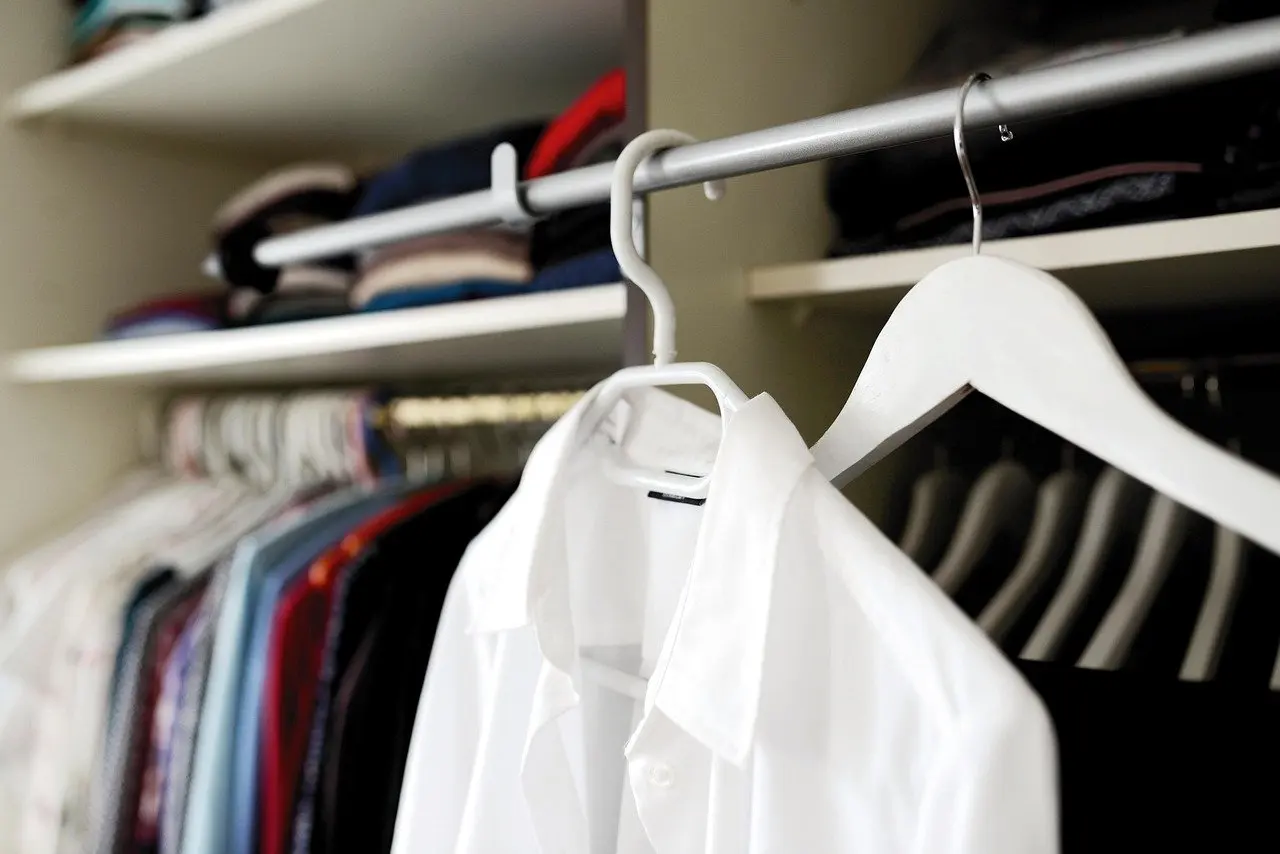
Guides cluster around a typical capsule of 30-40 pieces covering tops, bottoms, dresses, outerwear and shoes. Megahand gives the same 30-40 range but counts clothing, shoes and accessories together.
Choosing a number that fits your routine
Treat the range as a starting estimate rather than a rule. Someone with a formal office job needs more structured pieces than someone working from home, so the count should follow the week you actually live. If the audit leaves you well above the range, trimming is the next step. If you land below it, there is no need to buy up to a number.
Where the idea came from
Minimalism in fashion is about owning fewer, better-used garments, and the capsule approach is the practical form of that idea. The category-by-category counts further down show how a small set is divided.
If you are not sure what to discard
To declutter your wardrobe without regret, sort in stages. Outfit Anatomy suggests dividing the pile on the bed into three distinct categories: keep, goodbye and a purgatory box.
Sorting into keep, goodbye and purgatory
The purgatory box holds items you cannot decide about. The same guide says that if you reach for nothing in it after three months, you should donate the whole box without opening it. This suits people who hesitate over sentimental or expensive pieces, because the decision is delayed rather than forced.
- Keep: pieces you wear and that fit the palette and staples described below.
- Goodbye: items that clearly no longer earn their space.
- Purgatory box: uncertain pieces, checked again after the waiting period.
Tests for what to remove
Fibflx offers a blunt rule: if you have not worn something in a year, you probably never will. Outfit Anatomy adds items that are stained, torn, have not fit in two years or still have tags attached. The tag test is useful because it flags purchases that never earned a place in your routine. An unworn item with a good reason, such as one formal outfit, can be kept deliberately.
Where unwanted clothes can go
Fibflx suggests donating, selling or repurposing unused items. Megahand says wearable pieces can go to charity and those beyond wear should be discarded responsibly. In Italy, the practical step is to check your municipality’s waste-collection guidance for textile collection points and to ask local charities what they accept. Worn-out pieces and good-condition pieces usually follow different routes.
If your colours do not work together
A colour palette makes a small wardrobe feel larger because most pieces can be worn together. Fibflx recommends starting with 3-5 neutral colours as the backbone, with 2-3 accents, and says about 80% of the wardrobe should be neutral and the rest accents.
Base neutrals and accents
Outfit Anatomy breaks the palette into 2-3 base neutrals, such as navy, black, charcoal grey, beige or camel, plus 1-2 light neutrals and 1-2 accents. For a beginner, navy and beige as bases with white as the light neutral is a straightforward way to start, because all three are common in the staples below. Pick accents last, and only in colours you already enjoy wearing.
If you need timeless wardrobe staples
Timeless wardrobe staples are pieces that combine with most of the rest.
Core pieces that cross occasions
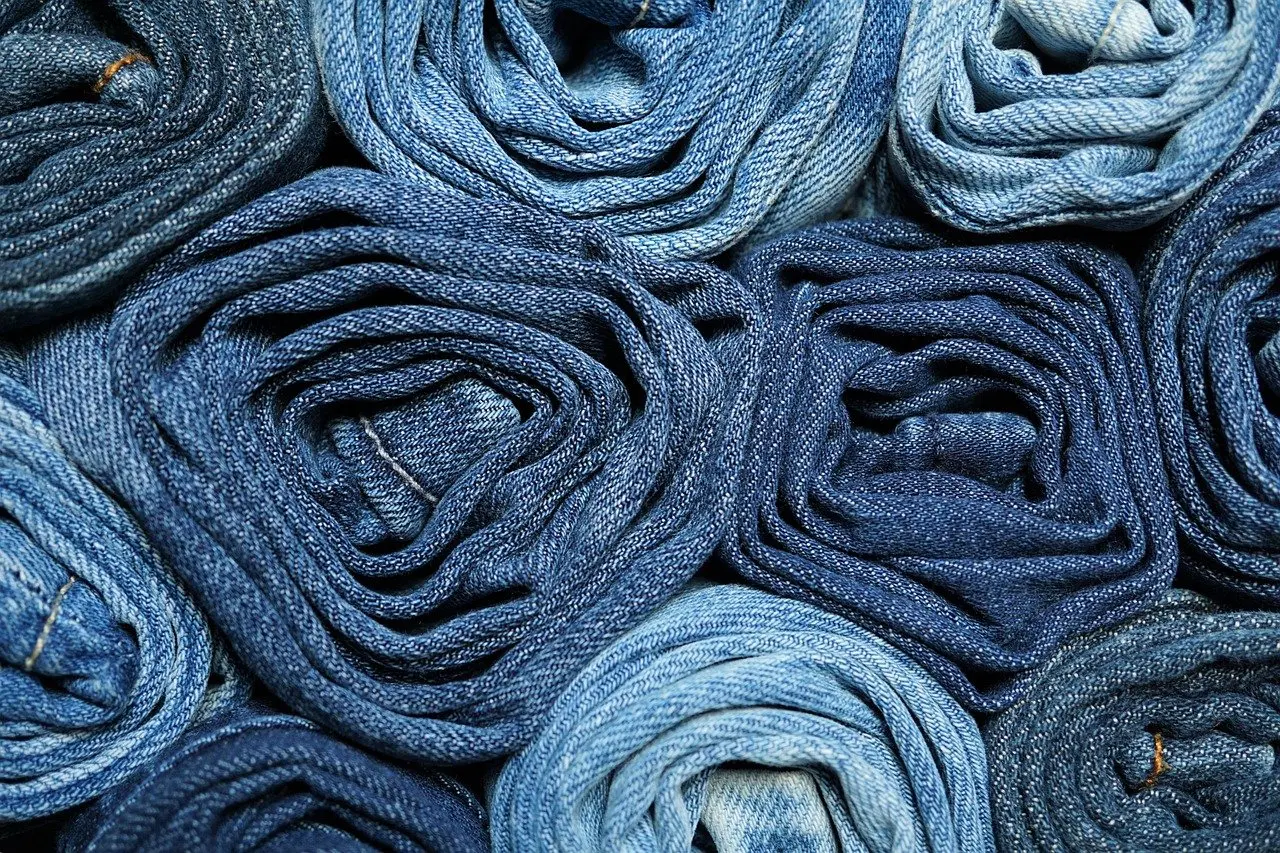
Outfit Anatomy lists dark wash, straight-leg or bootcut jeans with no rips or distressing as a staple. Truffle points to a blazer that can be worn at the office with a pencil skirt and then with jeans after work. A blazer and dark jeans are therefore a sensible first pair to secure when the audit shows neither.

Natural fibres and care
Truffle names wool, linen, cashmere, silk and cotton blends among durable staple materials. Outfit Anatomy recommends organic cotton, merino wool and linen. Checking the fibre content on the care label before buying is a quick way to apply that advice. The same guide says washing on cold prevents fading, which extends the life of dark staples.
Judging value over time
Outfit Anatomy illustrates cost-per-wear with a $100 sweater worn 100 times, which works out at $1.00 per wear. Pieces you will wear often justify a higher price, while a trend item worn rarely does not. If you are budgeting for replacements, how to track household expenses helps place clothing within the wider budget.
If the seasons change through the year
A capsule wardrobe in Italy should follow the temperatures you actually dress for. Truffle advises categorising a capsule by seasonal and temperature demands, so each season’s pieces are chosen for the weather, not for a fixed formula.
Lighter fibres for warm months
Truffle notes that cotton blends and linen work well for warm-weather blazers and shirts, especially in neutrals such as white or beige. That keeps summer pieces inside the same palette as the rest of the capsule, so they combine with year-round trousers and shoes. Wool and cashmere, from the same fibre list, belong in the cooler rotation.
Pieces that carry across seasons
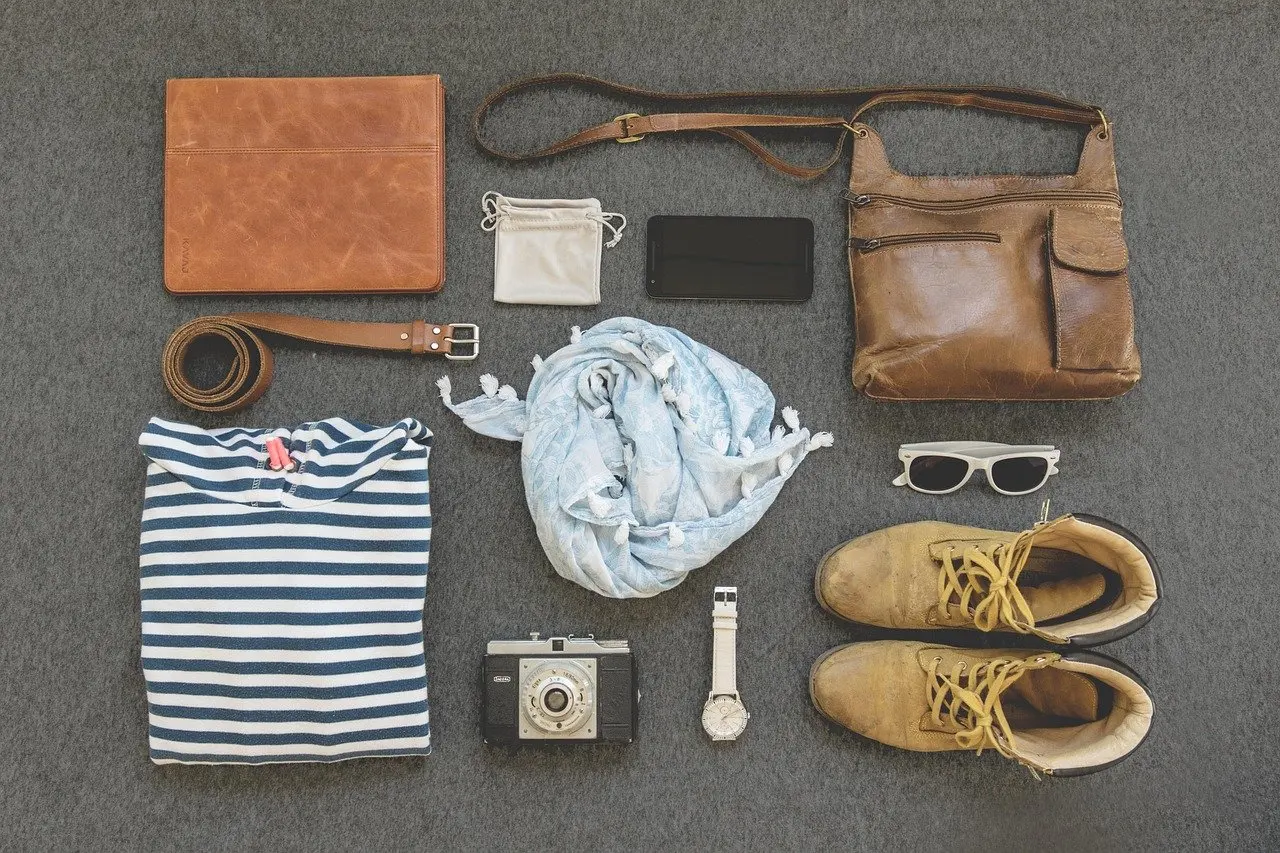
A neutral blazer, dark jeans and a white shirt can stay in rotation, while knitwear and lighter fabrics change places. Accessories such as belts, boots and scarves count toward the total in the larger ranges that include shoes and accessories.
Frequently asked questions
| Question | Answer |
|---|---|
| Who introduced the capsule wardrobe? | Ayur Living credits Susie Faux, a London boutique owner, with introducing the concept in the 1970s. Truffle says it gained mainstream popularity in the mid 1980s. |
| What does minimalism in fashion focus on? | Megahand says it focuses on reducing waste, saving money and promoting sustainability. |
| Why do guides quote different item counts? | Sources differ on scope. Truffle gives 25-30 pieces, while Ayur Living gives 30-50 pieces including shoes and accessories. Check what a guide counts before comparing numbers. |