Quick answer: For how to save energy at home, start with heating, then standby devices, then lighting. Lower the thermostat when asleep or out, seal draughts, and cut power to idle electronics before replacing any appliance.
Energy habits fit best into a steady routine, and the guide on come organizzare la giornata in modo equilibrato shows how to build that rhythm. This page ranks the habits by likely payoff and says when each one is worth the effort.
Choosing what to change first
Residential use is a large slice of national demand: Arcadia puts it at about 21% of total U.S. energy consumption. That is why small household decisions add up. The right first move depends on four things.
- What the home spends most on. In a heated home, winter heating usually comes first. Warm-climate or mostly electric homes should look at standby loads and lighting before heating.
- Cost to act. Changing a thermostat schedule or flipping a switch costs nothing. Replacing a bulb costs a little. Replacing an appliance is a larger decision.
- Rented or owned. Renters can adjust schedules, strips, bulbs and draught stoppers. Boiler or window changes usually need an owner.
- Whether the saving repeats daily. A habit that applies every night, like a thermostat setback, beats a one-off tweak.
The percentages in this guide come from U.S. sources and use different bases, so read them as relative priorities, not as predictions for an Italian bill. Italy’s national energy efficiency agency, ENEA, publishes guidance for local conditions. Dwelling type, heating climate zone and the age of the boiler all change the real figures.
Impact at a glance
| Habit or change | Reported effect | Planning use |
|---|---|---|
| Sealing air leaks | 10% to 20% annually on energy costs | The strongest single entry for a heated home. Check doors and windows before anything else. |
| Thermostat setback for 8 hours a day | 5-15% per year on heating and cooling | Free to start. Use it overnight and during working hours away. |
| Lower water-heater temperature (140ºF to 120ºF) | 4% to 22% annually | Worth a look if the hot-water temperature is adjustable. |
| Cutting standby devices | 5 to 10% of residential energy use | A one-evening job that then runs on autopilot. |
| LED bulbs instead of incandescent | Up to 90% less energy | Replace the most-used lamps first. |
These figures come from Environment America’s home energy tips, which cite the U.S. Department of Energy, and from Arcadia’s no-cost energy guide.
Heating and gas in winter
Heating is the best place to look for gas savings. The most effective measures stop heat being produced when nobody benefits from it, and stop it escaping once produced.
Thermostat settings and schedules
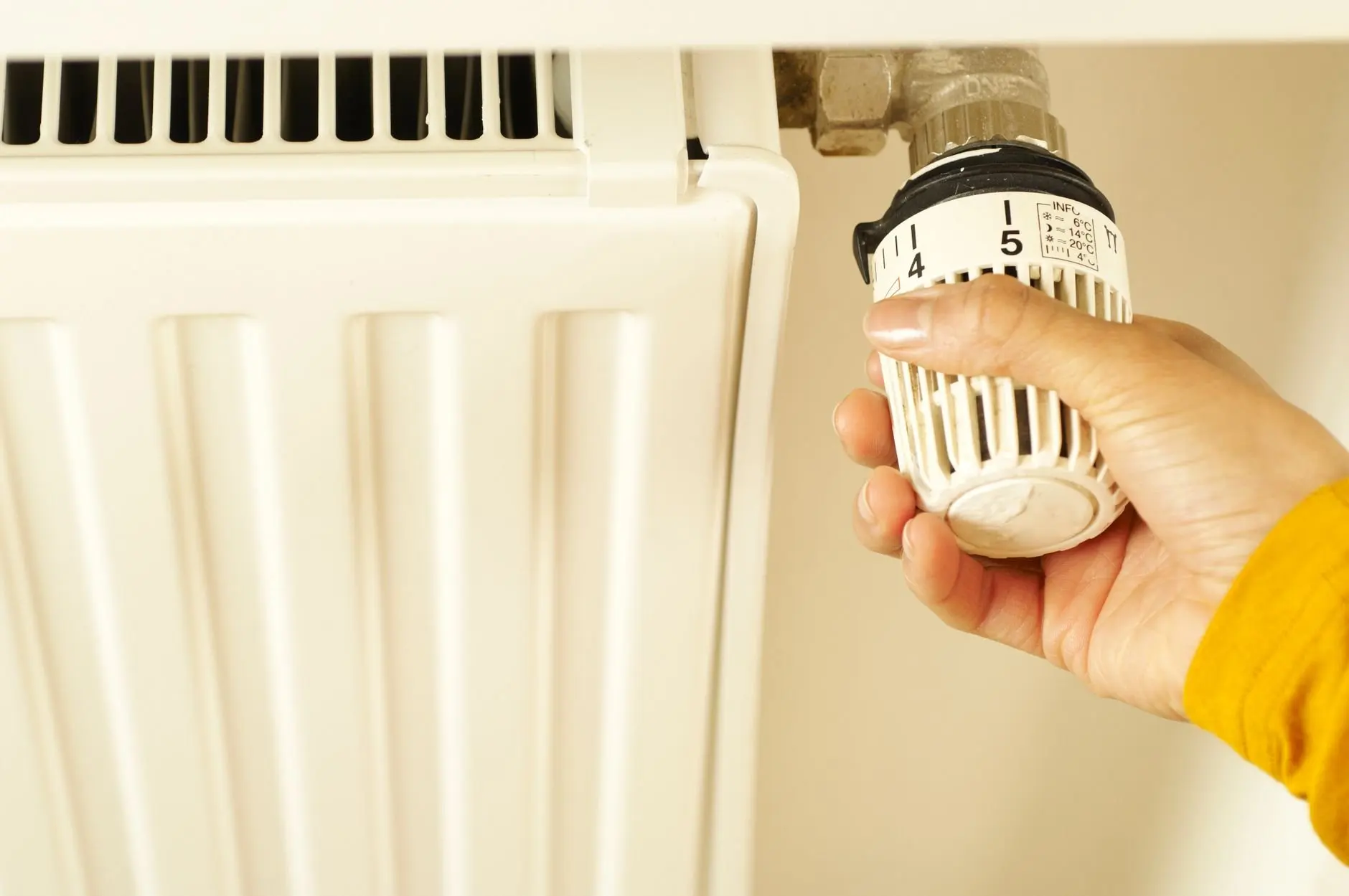
Arcadia advises lowering the thermostat by 10–15 degrees, depending on the weather, when sleeping or away. It estimates that doing this for 8 hours a day could save 5-15% per year on heating and cooling. NE Power gives the same advice: a lower setting when asleep or out.
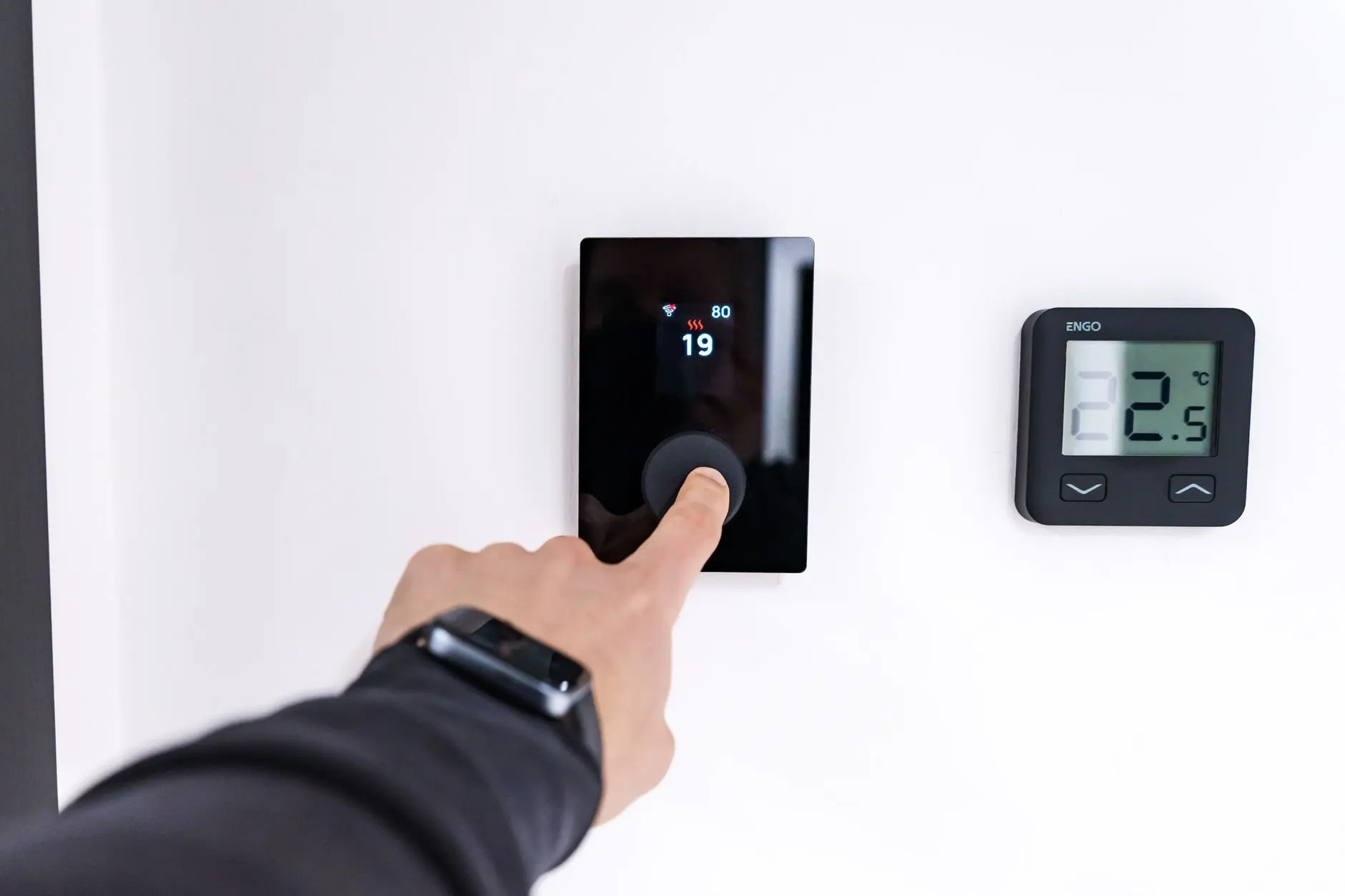
This suits households with regular routines, such as an empty home during work hours. Choose a smaller drop in a cold climate or a poorly insulated home, because the weather affects how far the setting can reasonably fall. If the home is occupied all day, use a modest overnight reduction and leave daytime alone.
Draughts and windows
Sealing air leaks is the largest reported saving on the page: Environment America, citing the U.S. Department of Energy, says it can save a household 10% to 20% annually on energy costs. NE Power adds that sealing reduces energy waste and improves temperature control, and recommends draught stoppers on doors and windows to keep warm air in and cold air out.
Window coverings help too. The same Environment America page notes that tightly installed shades can reduce winter heat loss through windows by 40% or more. The word “tightly” matters: loose or short curtains give less benefit. Draw heavy coverings at dusk and open them on sunny days.
Boiler and hot water
Gas use is not only radiators. Environment America, citing the U.S. Department of Energy, says lowering a water heater from 140ºF to 120ºF can save a household 4% to 22% annually. If a gas boiler also heats the household’s water, check whether its hot-water temperature can be adjusted. That is a settings change, not an upgrade. Leave anything involving gas safety or boiler internals to a qualified technician.
Electricity: standby power and lighting
Electricity savings come from devices drawing power while doing nothing and from inefficient lighting. Both are quick to fix.
Standby devices
Standby power is a modest but persistent load. According to Environment America, it makes up 5 to 10% of residential energy use, a figure drawn from U.S. Department of Energy data. Arcadia puts the share of an electric bill taken by electronics on standby at about 10%. These shares are American estimates; in Italian homes the real figure depends on how many televisions, consoles, chargers and set-top boxes are left running.
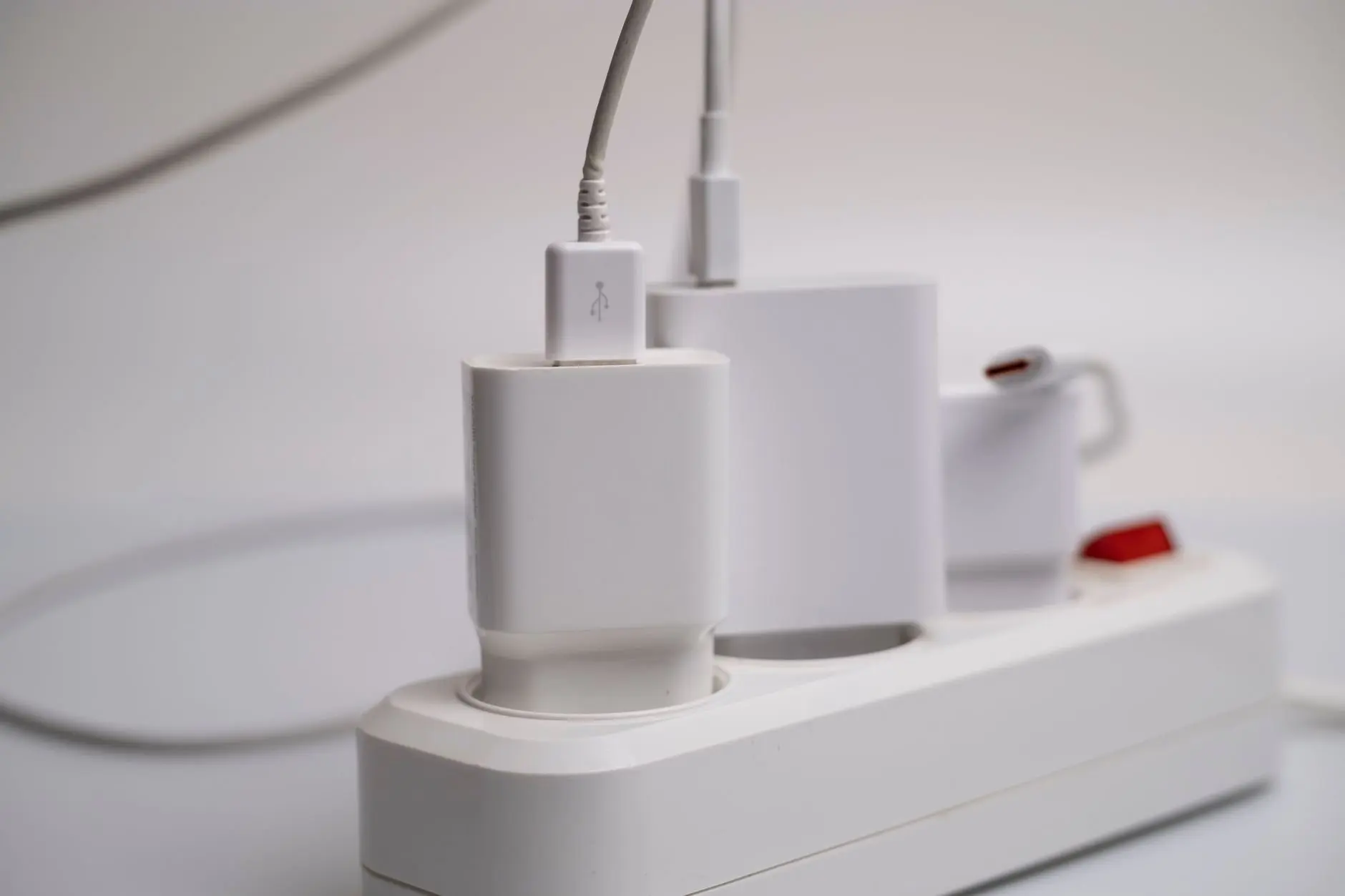
The practical fix is to group devices on a strip. NE Power recommends power strips that cut off power to multiple devices with a single switch. Put the television, console and decoder on one strip and switch it off at night. Keep the router and anything that must stay on separate.
Lighting
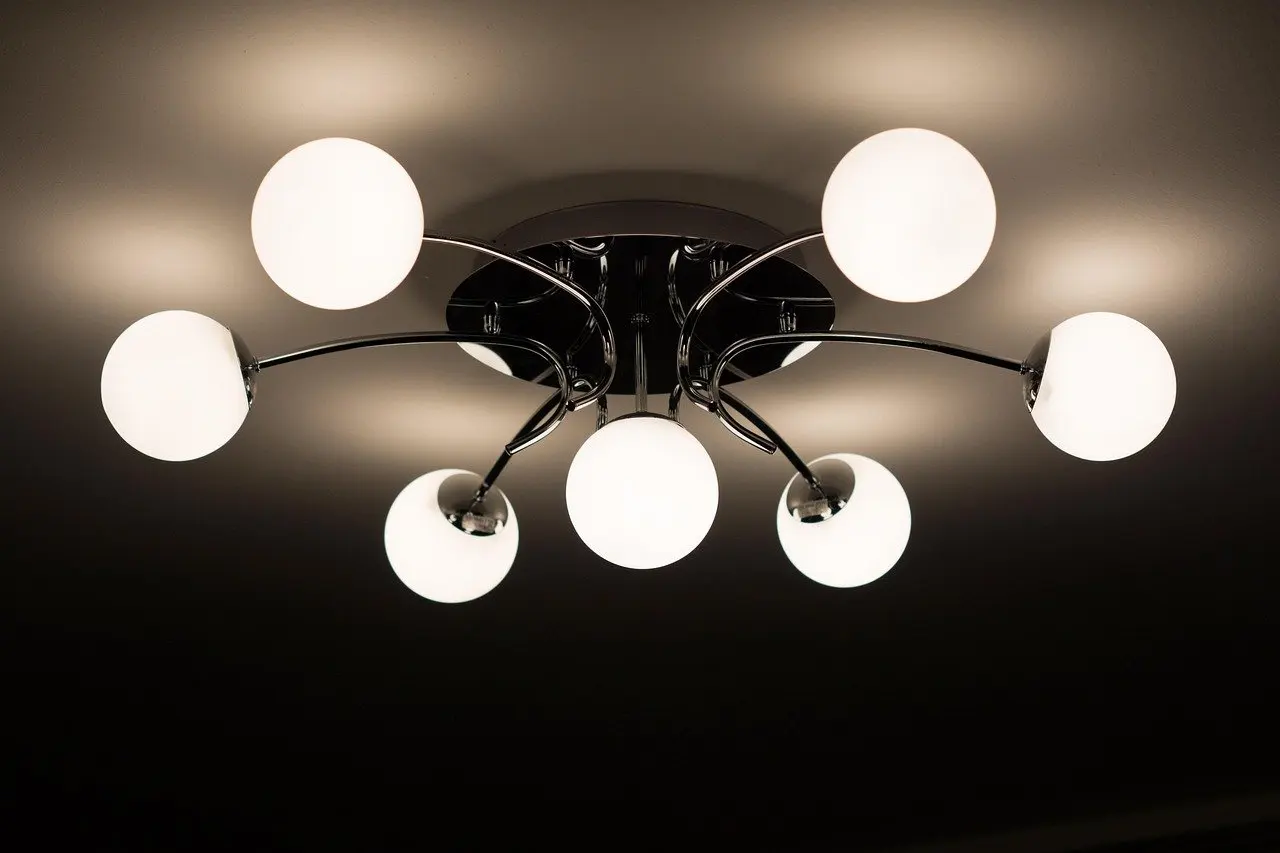
Lighting is where a small purchase pays back most clearly. Environment America states that an incandescent bulb used for 2 hours a day on average uses 44 kWh/year, and that LED bulbs use up to 90% less energy. Replace the lamps that stay on longest, such as the living-room and kitchen lights, before the rarely used ones. Switching off lights in empty rooms costs nothing and works with any bulb type.
Small habits or new appliances
Habits come first because they cost little and show whether a home has a real problem. Thermostat schedules, draught stoppers and standby switching all appear in the sources as simple actions. The figures in the table suggest that several of them rival appliance-level savings. Upgrades make sense when one device dominates use. A bulb swap is the clearest example, because the effect is large and the outlay is small.
Before buying anything bigger, read the consumption line on the latest electricity and gas bills and compare it after a month of new habits. Look at the energy used, not only the total in euros, since prices change independently of use. ENEA’s published guidance is the Italian reference for efficiency measures that go beyond habits.
Troubleshooting a bill that does not fall
- Heating use unchanged. Draughts may still be leaking. Recheck doors and window edges, and confirm that the setback schedule actually runs at night.
- Electricity use unchanged. Look for devices still outside the switched strip, and for old bulbs left in the most-used rooms.
- Rooms feel cold after a setback. Use a smaller reduction. The source ties the size of the drop to the weather.
- One change at a time. Introduce habits gradually so the bill shows which one helped.
A weekly slot keeps these checks from slipping. Add a standby and draught check to a sunday reset routine or to a simple house cleaning schedule.
Frequently asked questions
Is a smart power strip better than a standard one?
A smart strip detects when a device is in standby mode and can cut the power itself, according to Environment America. A standard strip does the same job only when someone presses the switch.
Which way should a ceiling fan turn in winter?
Arcadia advises reversing it to swing clockwise in winter, to push warm air down.
Do cold washes make a real difference?
Environment America reports that cold wash cycles use up to 90% less energy than hot and warm cycles. Choose cold for lightly soiled loads and keep hotter settings for items that need them.
How long do LED bulbs last compared with older bulbs?
Environment America says LED bulbs last up to 25 times longer than incandescent bulbs, which also reduces how often they need replacing.