How to reduce food waste at home begins with the habit that stops surplus entering the kitchen: check the fridge and pantry, then buy only what is needed. Storage, freezing and reuse then deal with whatever remains.
The habits below follow the order of a household week, from shopping to the bin, rather than a strict ranking. They suit the unhurried routine described in come organizzare la giornata in modo equilibrato, and where the Italian kitchen offers a cucina povera answer to leftovers, it appears alongside the habit.
Where household food waste comes from
Food waste occurs at the end of the supply chain, usually through retailer and consumer behaviour, as the Italian food blog Spaghetti e Mandolino explains. That places a good share of the responsibility with the kitchen: what is bought, how it is stored and whether it is cooked in time.
The same source notes that parts of food that could still be used are thrown away. The habits that follow therefore work at three decision points: before shopping, while food is stored, and when something is left over.
Planning and shopping habits
Check the fridge and pantry first
Culinary school Escoffier advises checking the fridge and pantry to see whether an ingredient is already there, then adding only the missing items to the shopping list. This suits anyone who tends to buy a second jar of something already hidden at the back of a shelf. The limit is timing: the check only helps if it happens before the shop, not in the car park.
Buy less, especially perishables
Spaghetti e Mandolino calls buying less, or only what is needed, the first step, with perishable products the main concern. Fresh fish, soft fruit and salad leaves are where a smaller, more frequent shop pays off, while dry goods are far more forgiving. The same restraint carries over to other areas of the home, as in how to build a capsule wardrobe, where owning less makes it easier to use everything.
Plan the week around what is already in the house
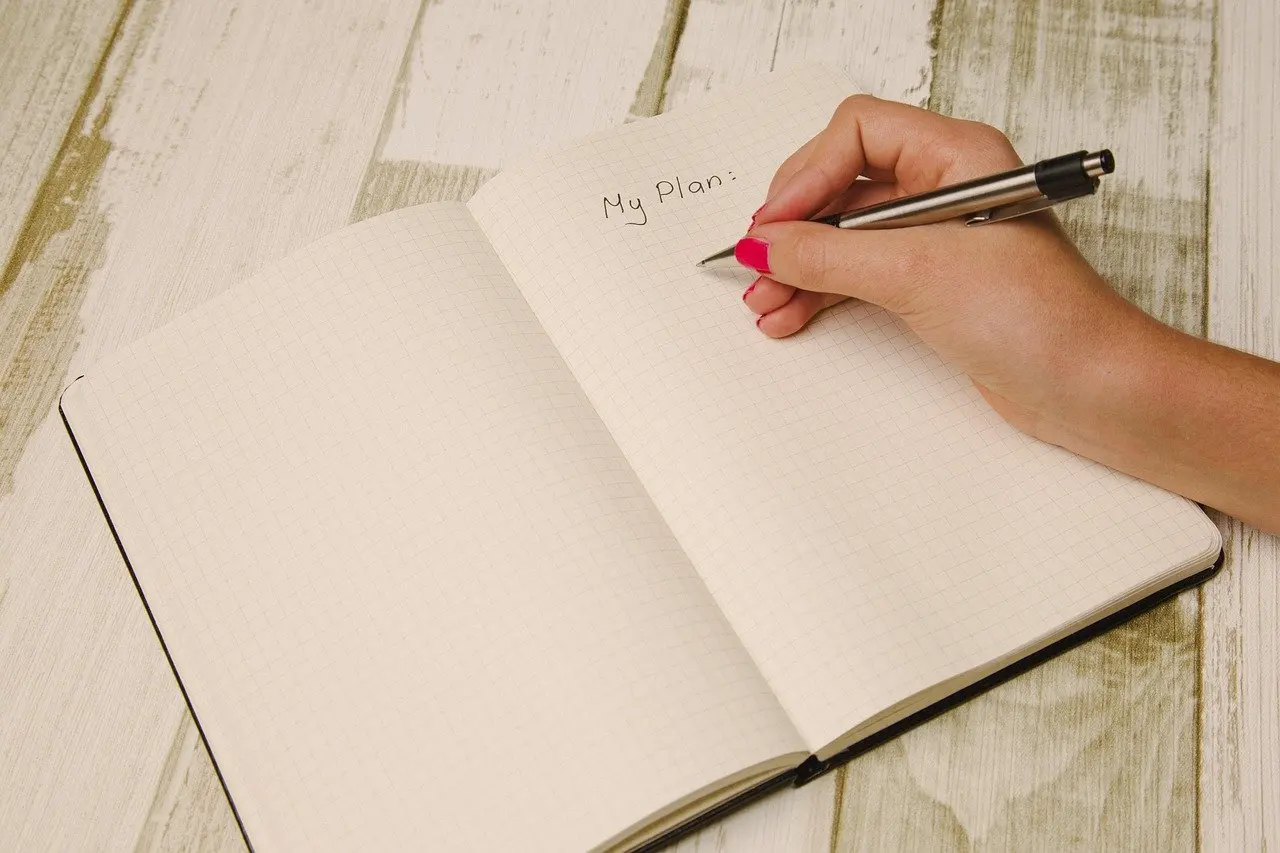
Meal planning keeps the shopping list honest. Start from the stock check, write the week’s meals around it and add only the missing items. A sensible reading of the front-of-pantry principle below is to schedule meals with the most perishable ingredients early and leave sturdier staples for the end of the week. A plan also needs slack: a loose plan with room for one leftovers night survives a busy week better than a rigid one.
Storage habits that keep food usable
Put what expires soonest at the front
Spaghetti e Mandolino recommends placing products that expire sooner at the front of the pantry. New shopping goes behind older stock. The habit costs a minute after each shop and suits any shared kitchen, because everyone sees what to use first without being told.
Store fruit and vegetables by type
Not everything belongs in the fridge. Escoffier notes that tomatoes, bananas, ginger, apples and pears do better outside the fridge. For what does go in, The Kitchn points to using the humidity drawers correctly and leaving enough space on the shelves for air to circulate. An overstuffed fridge is therefore a waste risk in itself, not only a tidiness problem.
Label opened containers
Use a marker to write the opening date on any opened container, as The Kitchn suggests. Printed best before and use by dates on packs show what to check during a stock-take, while a marker date records when the container was opened, which the printed date cannot. This habit suits households that share cooking, since nobody has to guess how old the sauce is.
Freeze before food turns
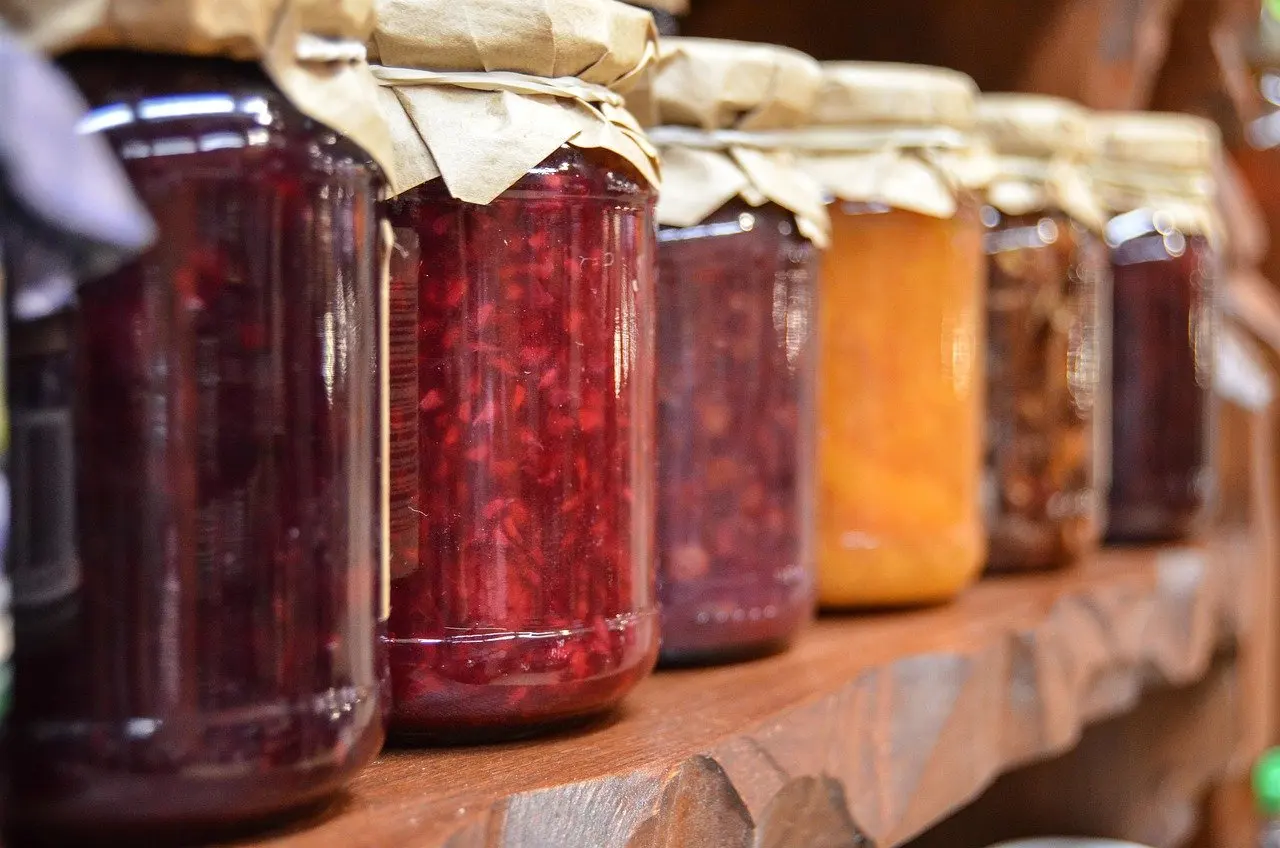
Escoffier states that vegetables, fruit, herbs, bread, baked goods and meat can all be frozen. The practical judgement is to freeze early, on the day it becomes clear something will not be eaten, rather than as a last resort. Freezing suits bread ends, herbs and cooked portions best, because they are easy to use straight from the freezer later.
Cooking with leftovers and scraps
Spaghetti e Mandolino encourages readers to reuse food in all its forms, with specific recipes. This is where the Italian tradition of cucina povera, thrifty home cooking, is most useful.
Stale bread, the cucina povera way
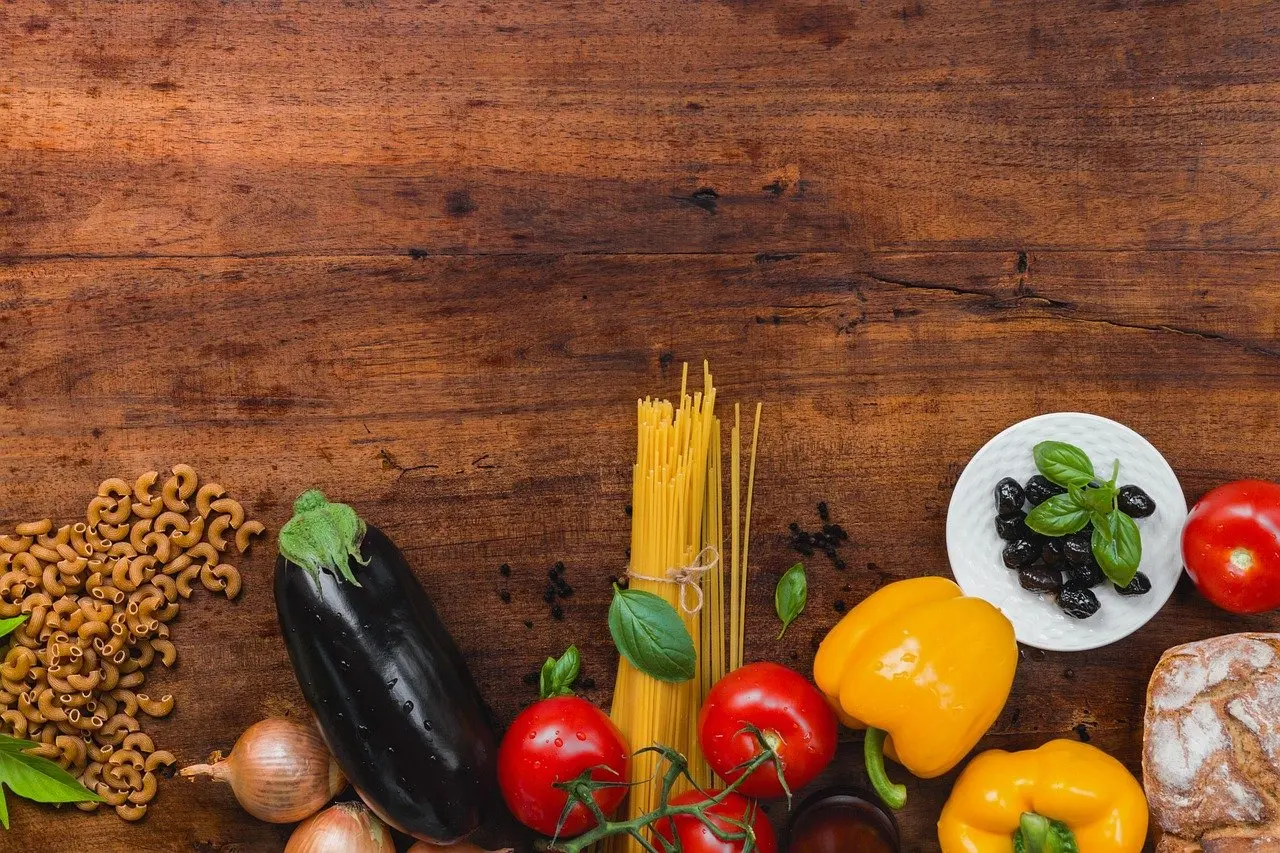
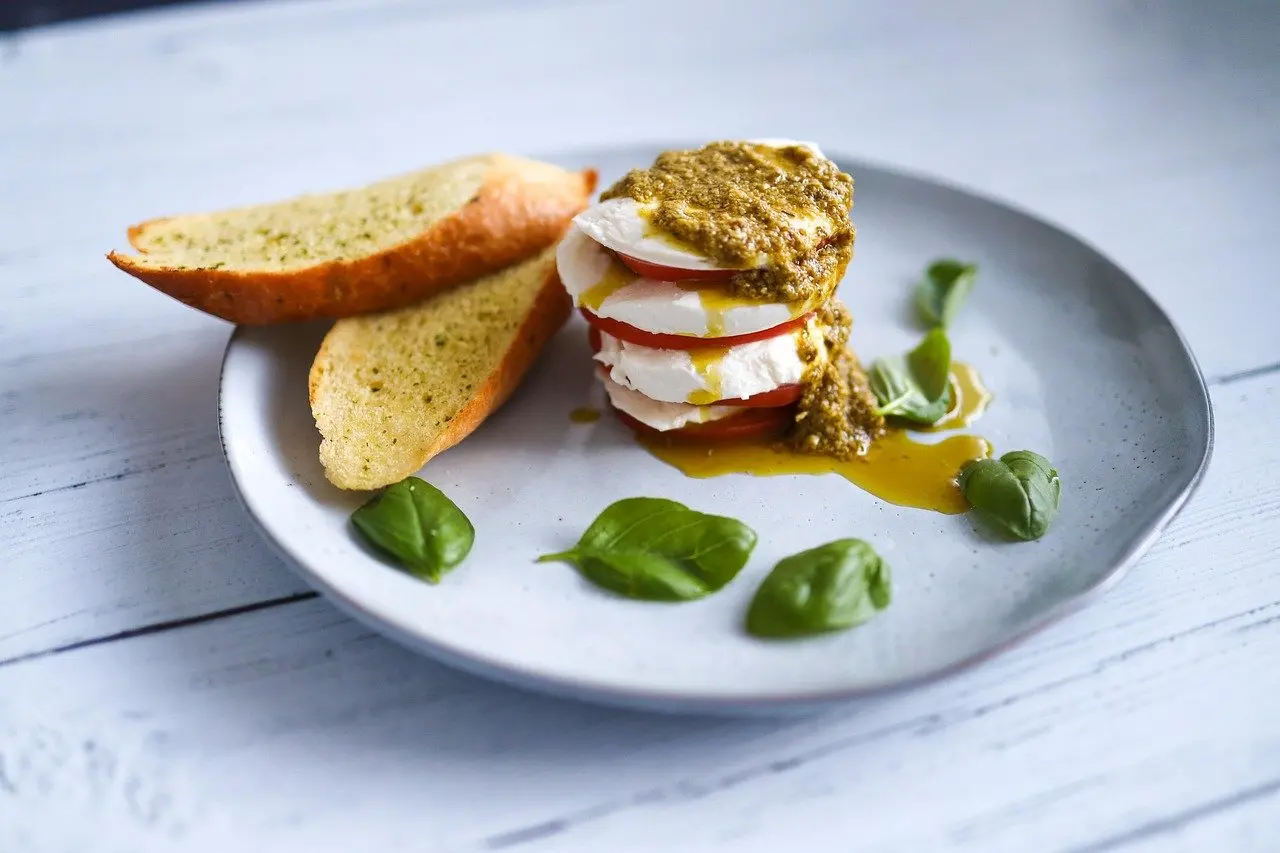
Stale bread is the classic Italian case. Hardened loaves become panzanella, where bread is combined with tomatoes, olive oil and basil, or pappa al pomodoro, where it is cooked down with tomato into a thick soup. Ribollita does the same with vegetable soup, and toasted breadcrumbs dressed with olive oil work as a topping for pasta or vegetables. These dishes suit households that regularly end up with a heel of loaf. The limit is that the bread must still be sound, since the method is meant to rescue dryness, not spoilage. Because bread can be frozen, as Escoffier notes, surplus can wait in the freezer until there is enough for a dish.
Turn leftovers into a different meal
Escoffier suggests that leftovers can become new dishes, giving the example of meatloaf turned into potato hash and burgers into tacos. The principle is to change the shape of the meal so that the second serving does not feel like a repeat. That is the logic of Italian polpette, ragù-based dishes and pasta bakes, which exist to give cooked food a second life. It suits households that dislike eating the same plate twice.
Use vegetable trimmings
Usable vegetable parts are often thrown away, according to Spaghetti e Mandolino. Clean peels and trimmings can be simmered into stock for soups and risotto, and a bag in the freezer collects them until there is enough for a pot. Anything mouldy or spoiled should not go in.
Food waste habits for families
Families benefit most from habits that do not rely on one person remembering. Escoffier identifies overserving as one of the biggest ways to accumulate food waste, and recommends plating smaller servings, since people can always return for more. For children this also removes the pressure to finish a heaped plate.
A food-waste expert from the NRDC, quoted by The Kitchn, argues that if everyone integrated one food-saving behavior at home, the cumulative difference would be big. For a family, that favours choosing a single habit, such as smaller servings or a leftovers night, and keeping it going before adding another.
The habits compared
| Habit | Stage | Suits | Condition |
|---|---|---|---|
| Check fridge and pantry | Before shopping | Anyone who buys duplicates | Done before the shop, with missing items added to the list |
| Buy only what is needed | At the shop | Households with perishable-heavy baskets | Matters most for perishable products |
| Soonest-to-expire at the front | Pantry storage | Shared kitchens | Needs restocking behind older items |
| Keep some fruit out of the fridge | Fruit storage | Fruit bowl households | Applies to tomatoes, bananas, ginger, apples and pears |
| Freeze surplus | Before spoilage | Bread, herbs, baked goods, meat | Best done early, not as a last resort |
| Reshape leftovers | Cooking | People who dislike repeats | Works for cooked food that is still sound |
| Smaller servings | At the table | Families | Seconds remain available |
| Reuse bread and trimmings | Cooking | Cooks who like traditional recipes | Needs a specific recipe to follow |
The table summarises advice from Escoffier and Spaghetti e Mandolino.
Frequently asked questions
What is the difference between food loss and food waste?
Food waste occurs at the end of the supply chain, mainly through retailer and consumer behaviour. Food loss is the term for the earlier stages, so household waste is the part a kitchen can influence directly.
Is pre-cut fruit a good way to save time?
It saves effort but works against waste. The Kitchn notes that pre-sliced strawberries and peeled oranges spoil faster and cost more than whole fruit, so buy them only if they will be eaten promptly.
Is composting a good project for children?
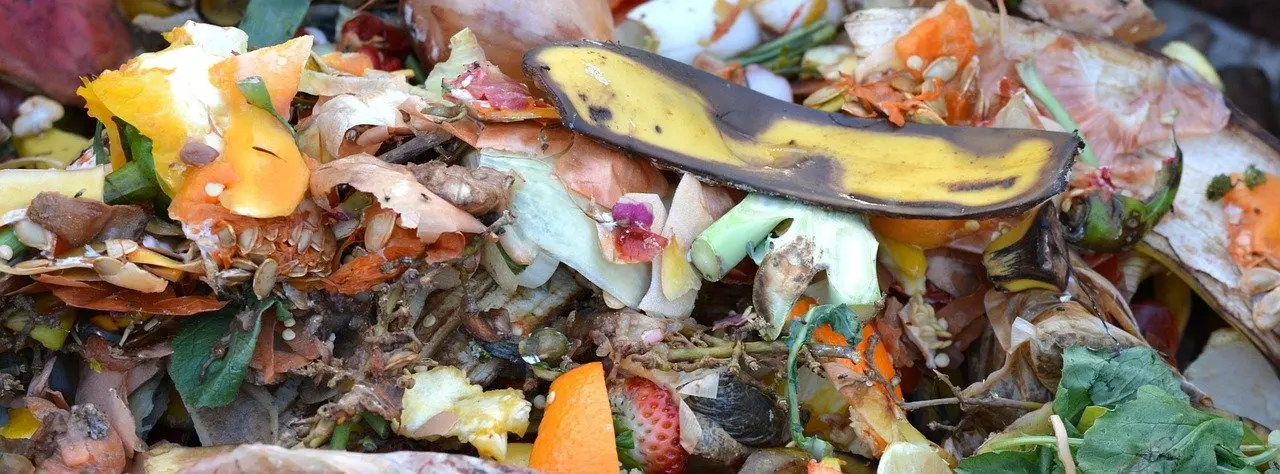
Escoffier describes composting as a bit of a commitment but a great project to do with children. It suits families ready to keep it up, and it complements, rather than replaces, buying and cooking with less waste.